 Contact Client Services via Whatsapp


Pre-owned Hermès
Fallen Luxury is an independent reseller of authenticated pre-owned pieces and is not affiliated with, sponsored by, or endorsed by Hermès.
A French luxury house founded in Paris in 1837 by Thierry Hermès, celebrated for its equestrian heritage and hand-stitched leather craftsmanship.
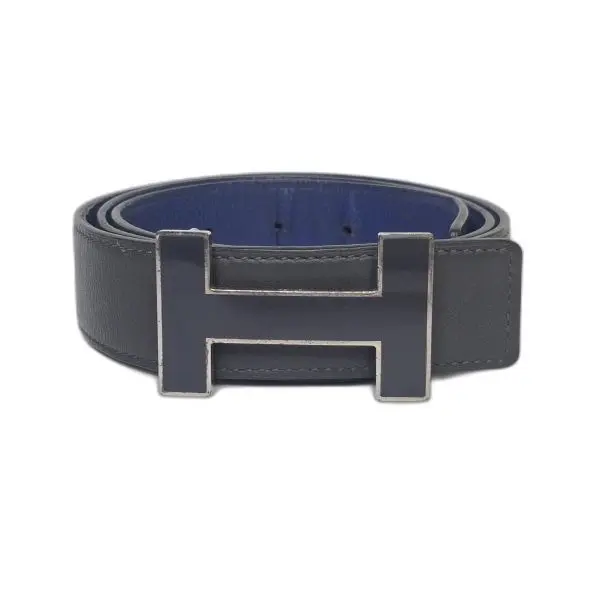
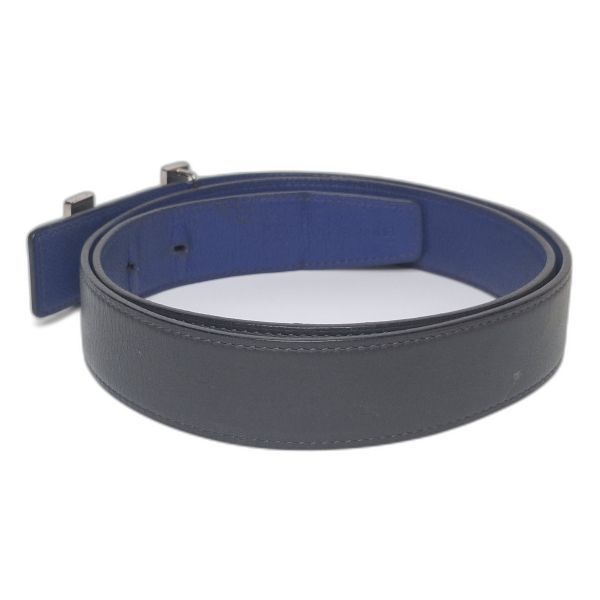
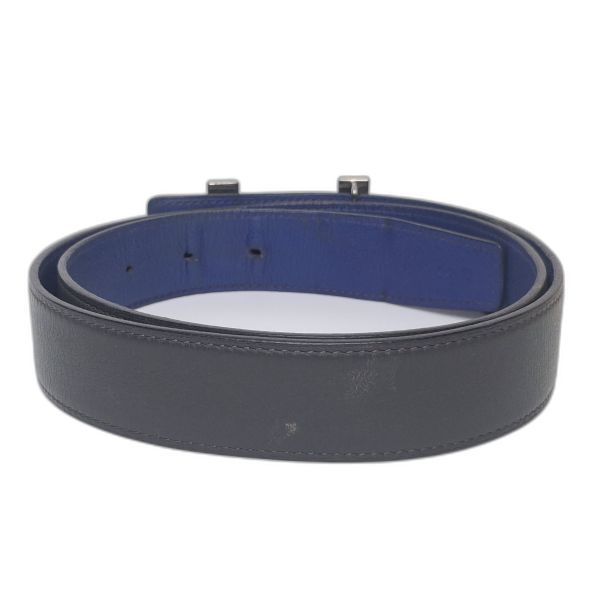
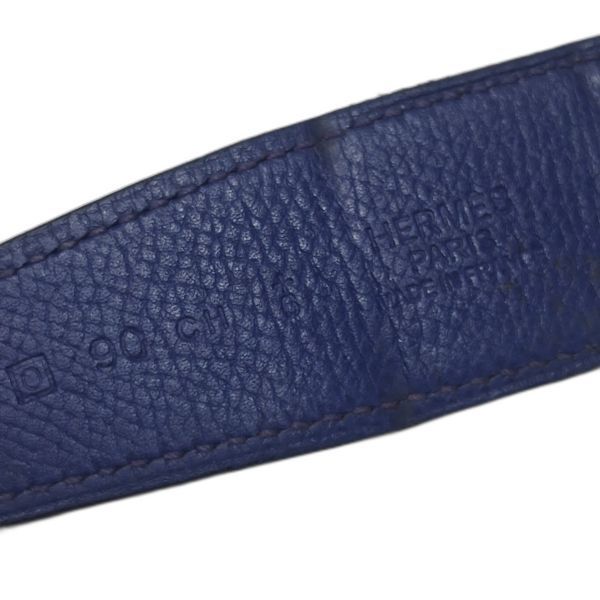
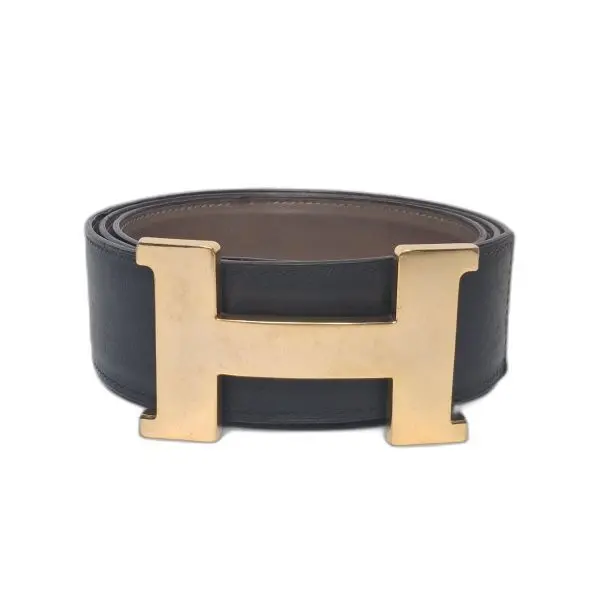
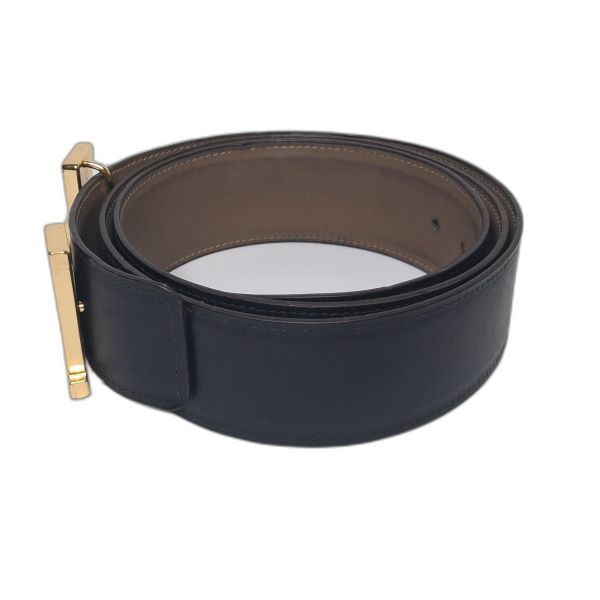
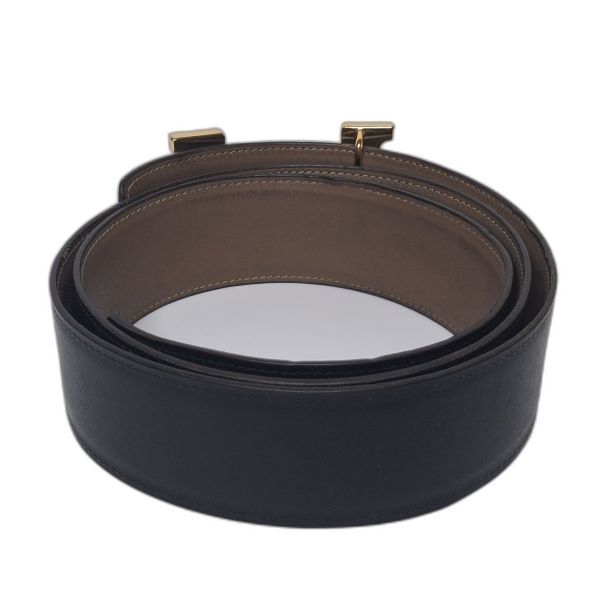
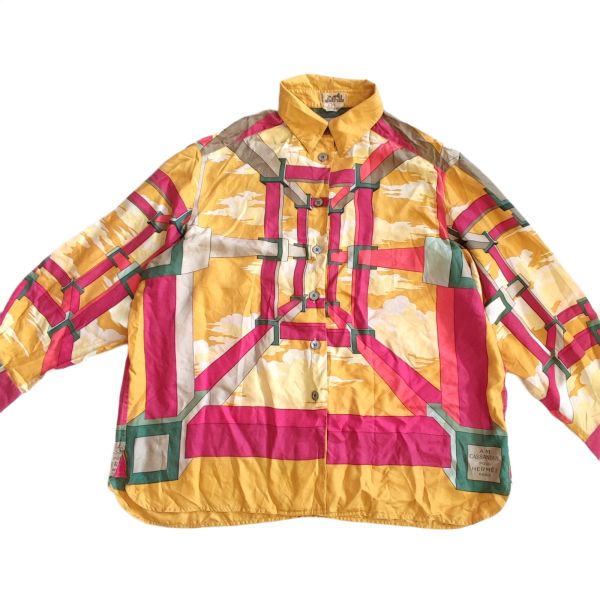
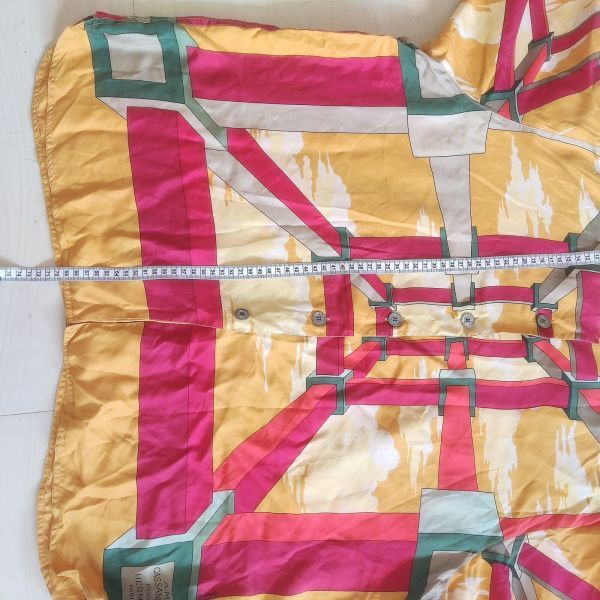
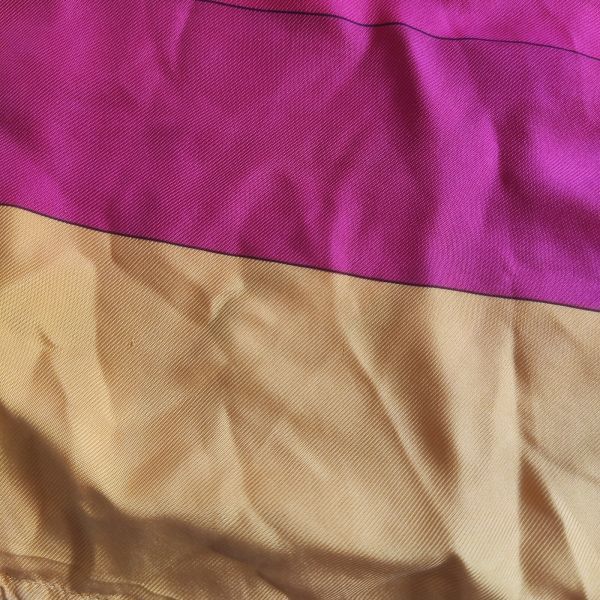
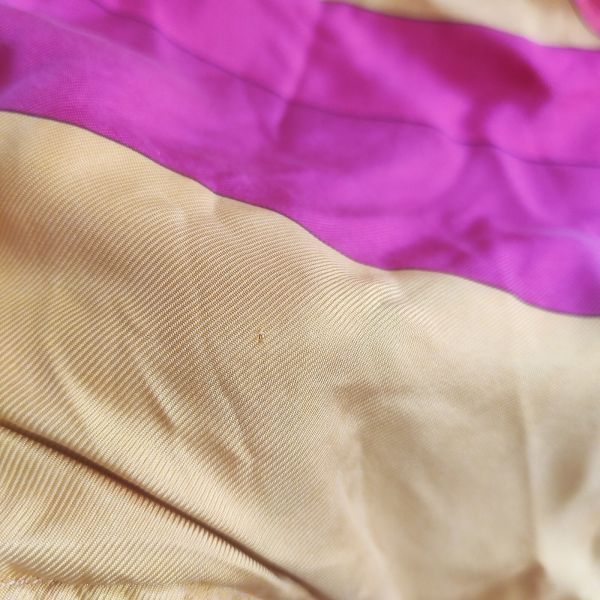
Fallen Luxury currently has 6 authenticated pre-owned Hermès pieces available in India, priced from ₹17,400 to ₹56,000, including Hermès Grey and Blue Reversible Leather Belt Strap; Hermès Black and Brown Reversible H Belt with Gold Buckle; Hermes Silk Shirt. Every piece is authenticated by our specialists and comes with a Certificate of Authenticity, with free delivery across India. Selling your Hermès? Get a complimentary valuation.
About Hermès
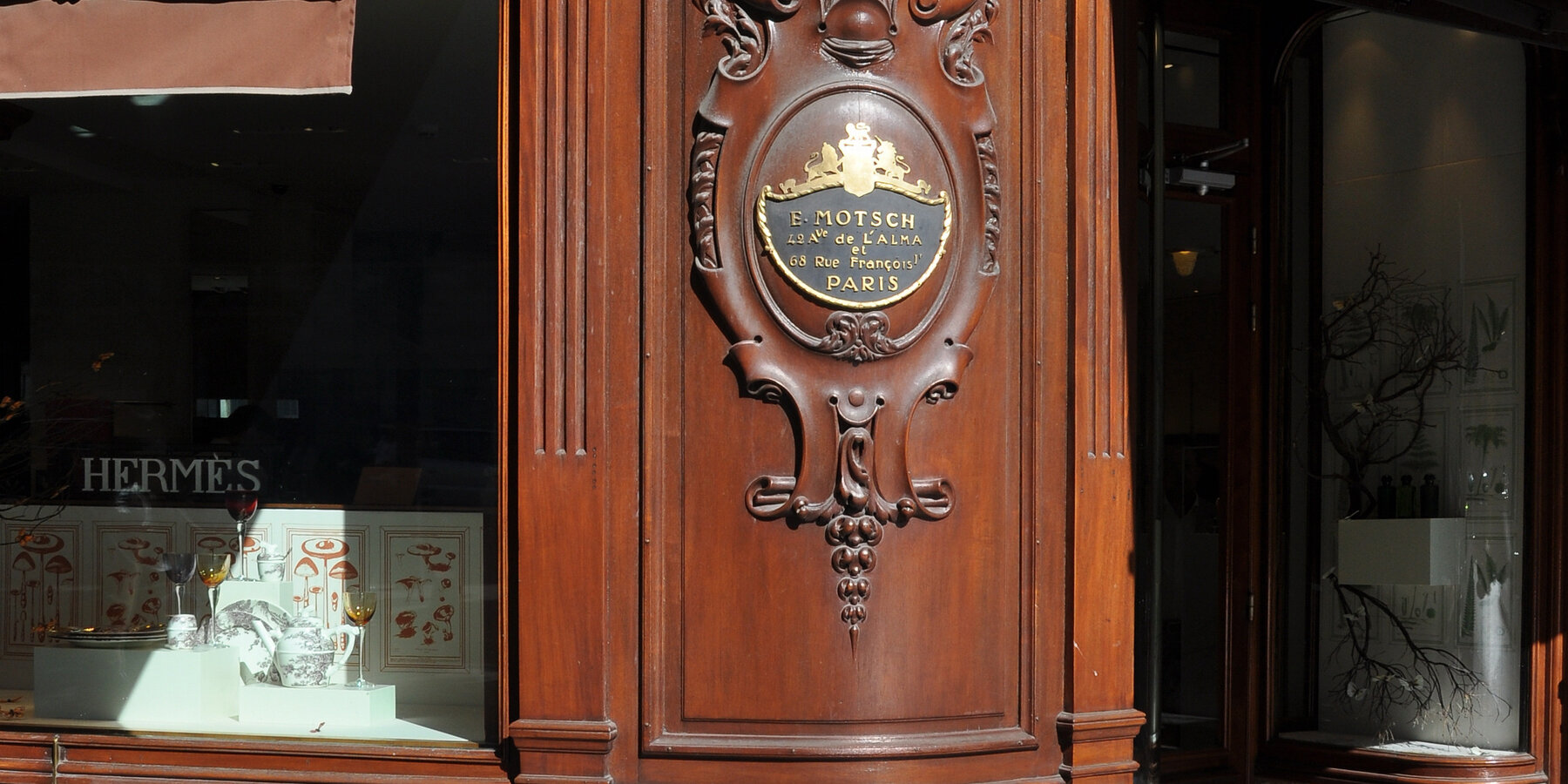
Founded in 1837 by master harness-maker Thierry Hermès, who opened a workshop near Paris's Madeleine church producing fine harnesses for European carriage trade, the house was later moved by his son Charles-Émile to 24 rue du Faubourg Saint-Honoré in 1880 — the address that remains its home today.
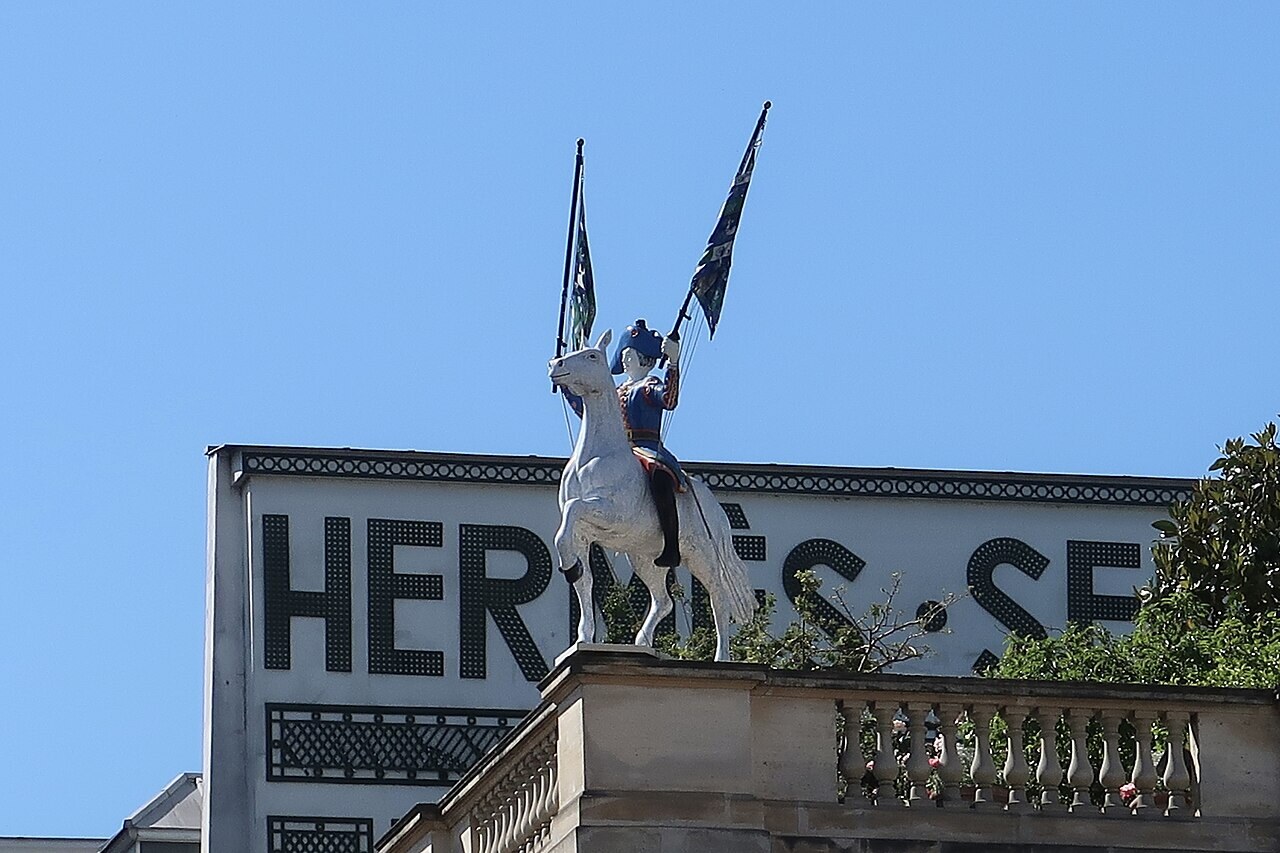
The mounted courier atop the Faubourg Saint-Honoré flagship — a nod to the house's equestrian origins.
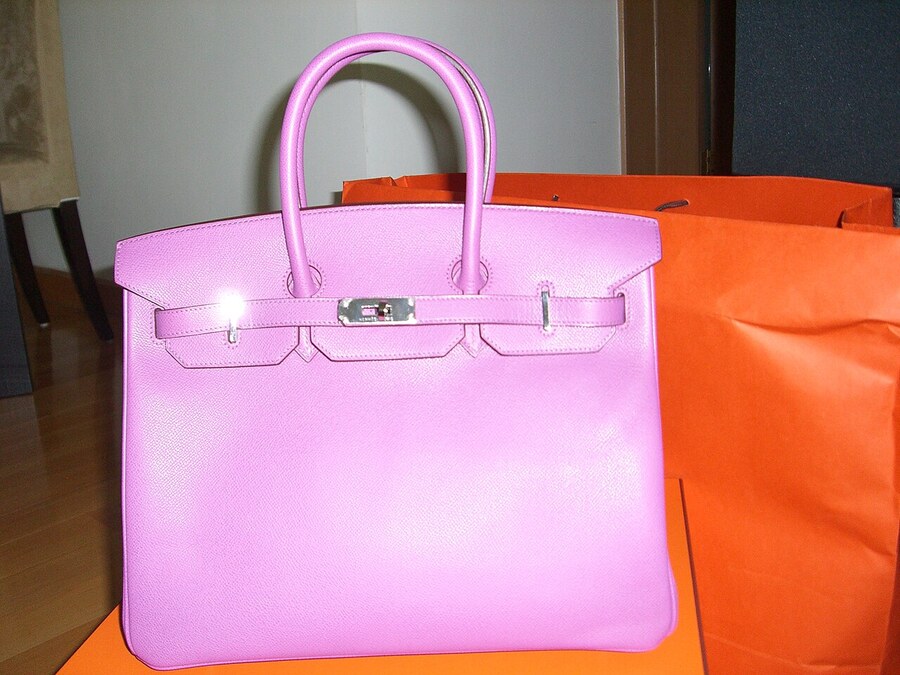
A bag born on a flight
The story goes that in 1984, actress and singer Jane Birkin sat beside Hermès's then artistic director Jean-Louis Dumas on a Paris–London flight. When the contents of her straw tote spilled in the aisle, she remarked she'd never found a leather bag that suited a young mother's needs — so Dumas sketched one on the back of an airplane sick bag. The result, named in her honour, is hand-stitched from start to finish by a single artisan and remains one of the most sought-after bags in the world, with waiting lists that can run for years.
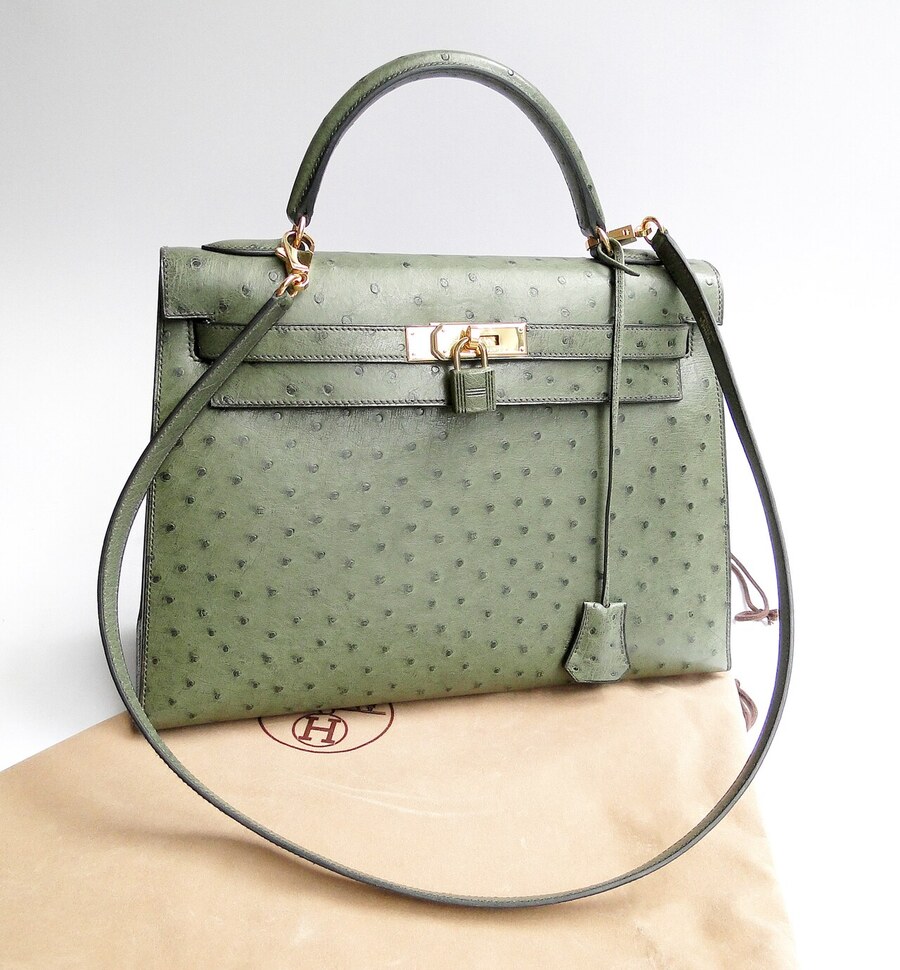
From dépêches bag to royal icon
Originally introduced in the 1930s as the "Sac à dépêches," this structured saddle-bag took on new life in 1956 when Grace Kelly, then Princess of Monaco, used it to shield her pregnancy from photographers — the image ran on the cover of LIFE magazine, and Hermès later renamed the bag in her honour. Like the Birkin, every Kelly is built by hand by a single craftsperson, trained for years in the house's saddle-stitching technique.
Beyond its two most famous bags, Hermès is equally known for its silk carré scarves — first produced in 1937 — and for equestrian motifs that trace back to its origins as a saddlery. Nearly two centuries on, the house remains majority family-owned, continuing to make its most iconic pieces almost entirely by hand.