 Contact Client Services via Whatsapp


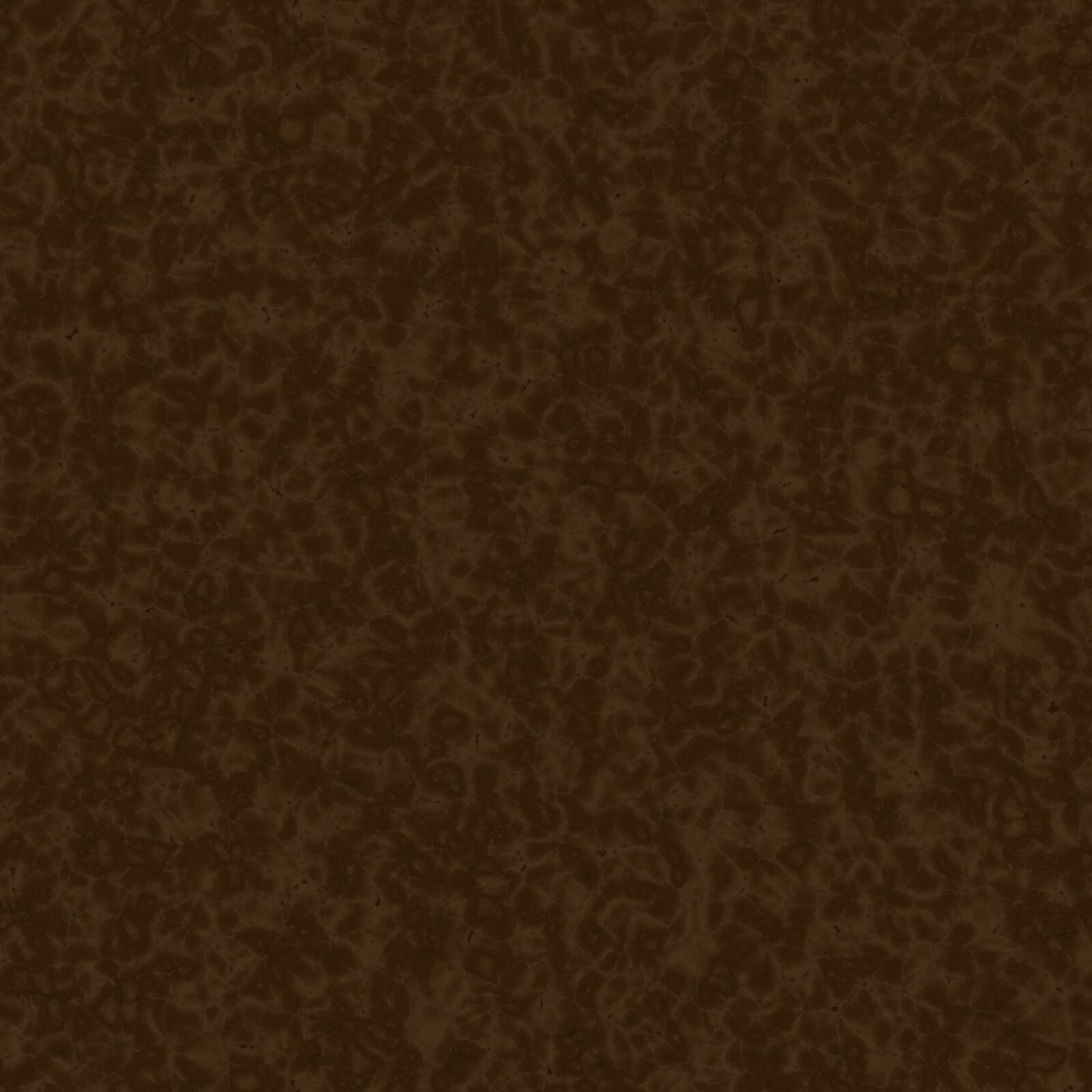
The Question Behind the Question
Buyers often ask which animal a leather comes from, assuming that's the main driver of quality. In practice, how a hide's surface was treated matters more than the species. A calfskin hide processed one way and the same hide processed another way can end up feeling, wearing and aging in genuinely different ways.
That processing distinction has a name: full-grain versus corrected-grain. It's the single most useful leather-quality question to ask, more useful than the species question most buyers default to.
What Full-Grain Actually Means
Full-grain leather uses the hide's outermost layer exactly as nature made it — nothing sanded away, nothing artificially stamped on. Natural imperfections, pore patterns, and grain irregularities all remain visible, because they haven't been removed. This is the strongest, most durable form leather takes, since the tightest, most fibre-dense part of the hide is left fully intact.
It's also the most expensive to produce well, because it requires starting with genuinely high-quality raw hide — there's no way to disguise a lower-grade starting hide once the natural surface is left exposed.
Ask how the surface was treated before you ask which animal it came from. It tells you more.
Our Material SpecialistsWhat Corrected-Grain Actually Means
Corrected-grain leather starts from a lower grade of hide, one with more visible natural flaws, and mechanically sands or buffs away the imperfect outer layer. An artificial, uniform grain pattern is then embossed on top, and a pigmented finish coat is applied to even out colour and hide the correction underneath.
This isn't automatically a mark of poor leather — some corrected-grain leathers (Epsom, discussed elsewhere in this Library, is one) are prized specifically for the structure and scratch resistance that heavy correction and embossing provide. "Corrected" describes a process, not a verdict on quality.
How to Spot the Difference
Full-grain leather shows genuine, irregular texture that varies subtly across the hide — no two square inches look quite identical. Corrected-grain leather shows a mechanically uniform, repeating texture pattern, because that pattern was pressed in by machine rather than grown naturally.
A simple flex test helps too: bend a corner or edge gently. Full-grain leather typically shows fine, natural creasing lines. Heavily corrected, heavily coated leather tends to resist creasing in the same organic way, since the surface coating is stiffer than the raw hide beneath it.
How Each Ages Over Time
Full-grain leather is prized specifically because it develops a patina — a gradual softening and subtle colour deepening from handling, oils, and light exposure over years of use. That patina is part of the appeal for many collectors, and it's something a corrected, heavily coated surface generally can't replicate in the same way, because the visible surface isn't the original hide.
Corrected-grain leather ages more predictably and uniformly, which is a genuine advantage for buyers who want consistent, low-maintenance appearance over time rather than character that changes with use.
Frequently asked questions
Not universally — full-grain generally commands a premium and develops patina, but corrected-grain leathers offer real, deliberate advantages in structure and scratch resistance for certain uses.
Often, but not reliably — uniform, repeating texture is a strong clue toward corrected-grain, but final confirmation is easier in hand.
No — "genuine leather" is a low bar in labeling terms and says nothing about whether the grain is full or corrected.
Both, depending on the specific leather and silhouette — the choice is deliberate, matched to how structured or slouchy that particular design is meant to be.
No — top-grain is a separate, middle category where the very top layer is lightly sanded, sitting between full-grain and heavily corrected-grain in terms of surface intervention.