 Contact Client Services via Whatsapp


Two Ways to Think About a Purchase
Broadly, luxury pieces tend to fall into one of two value trajectories on the resale market. "Fashion pieces" — seasonal releases, trend-driven colorways, collaboration pieces tied to a specific cultural moment — tend to depreciate the way most fashion does: quickly at first, and further as the trend that drove demand fades.
"Investment pieces" — a much smaller category, generally hero styles, exotic materials, or permanently discontinued production — tend to hold value more consistently over time. Neither category is fixed by brand alone; the distinction has more to do with the specific piece's scarcity and enduring desirability than the label on it.
Scarcity and Why It Matters
Scarcity, in luxury resale, isn't just about how few exist — it's about whether more can still be made. A permanently discontinued colorway is genuinely scarce in a way that a currently-in-production style, however popular, is not. Hermès is the most frequently cited example of deliberate production scarcity, but the same logic applies more broadly.
Exotic skins — crocodile, alligator, ostrich — generally command a premium over standard leather for the same reason, compounded by genuine material scarcity and higher skill requirements in the making.
Trend pieces are bought with the season in mind. Icons are bought with the decade in mind. That difference shows up on the resale market every time.
Our Market Intelligence TeamThe Hero-Style Effect
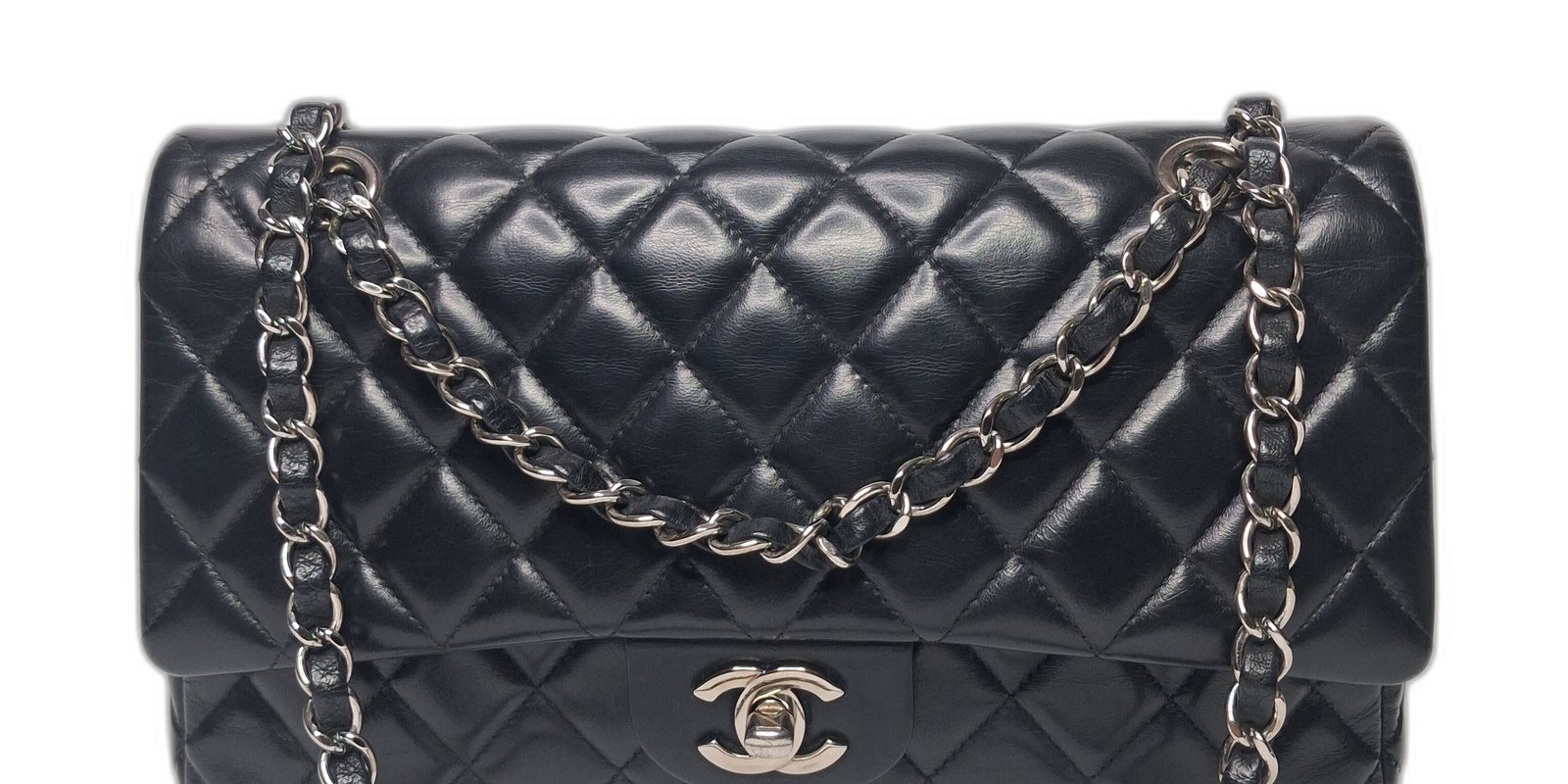
Certain silhouettes have become so closely associated with their house that they function almost independently of seasonal trends — the Hermès Birkin and Kelly, Chanel's Classic Flap, the Rolex Daytona and Submariner. These "hero styles" have historically shown more consistent resale performance than a house's broader catalogue.
This doesn't mean every hero-style piece is a guaranteed value performer regardless of condition — it means the category tends to be more resilient than fashion-driven alternatives, all else being equal.
Condition and Completeness
Independent of style or scarcity, condition remains a first-order value factor. A well-maintained piece in a common configuration will often outperform a poorly-kept piece in a rarer one, simply because condition is immediately visible and directly affects usability.
Completeness — original box, papers, authenticity cards, service history for watches — functions as a supporting factor rather than the primary driver, but it consistently affects buyer confidence.
What supports value, and what erodes it
- Permanently discontinued colorways or hardware finishes
- Exotic skins (crocodile, alligator, ostrich)
- Recognized hero/icon styles within a house's catalogue
- Well-documented service or repair history
- Complete original packaging and authenticity documentation
- Heavily trend-driven, single-season colorways or collaborations
- Currently-in-production styles with no scarcity element
- Undisclosed or poorly-documented repairs
- Significant structural wear (sagging, movement issues, hardware failure)
- Missing authenticity documentation where it would normally be expected
Frequently asked questions
No — brand sets a baseline, but scarcity, style, condition, and completeness within that catalogue matter more than the brand name in isolation.
Generally, yes, due to material scarcity and production complexity — but condition and style still apply on top of that baseline premium.
Not automatically — "limited" tied to genuine permanent discontinuation tends to hold value better than "limited" used as a marketing term.
Yes — documented servicing meaningfully affects buyer confidence in a mechanical watch's condition and reliability.
Value retention should be one consideration among several — genuine enjoyment of the piece matters just as much as any value-retention principle.