 Contact Client Services via Whatsapp



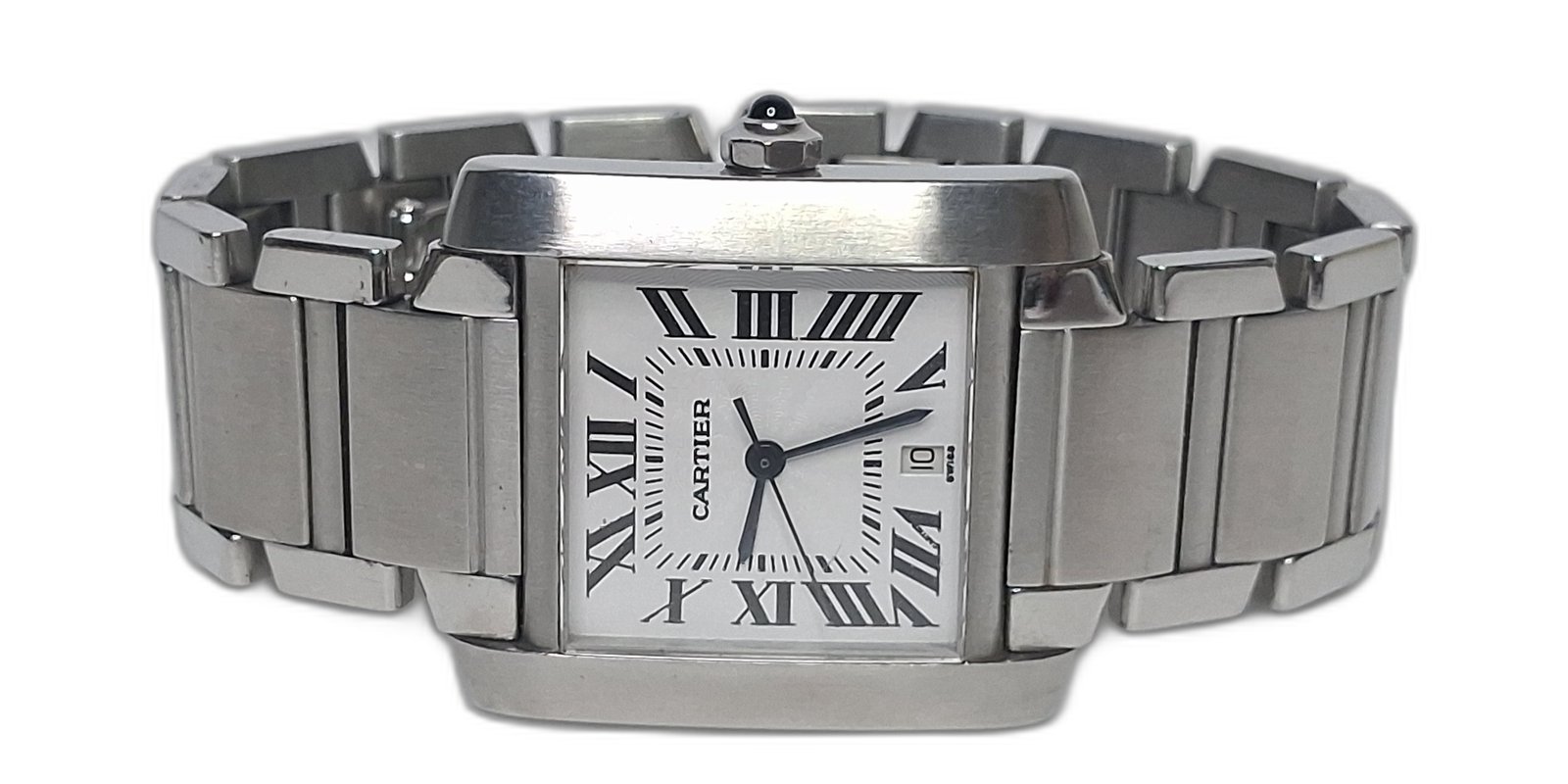
Grey Market Isn't Counterfeit
This distinction gets confused constantly, so it's worth stating plainly: grey-market goods are genuine, authentic products. What makes them "grey market" is that they were sold outside the brand's officially sanctioned distribution and retail network, not that they're fake. Counterfeit goods are an entirely separate, unrelated problem.
A grey-market watch or bag is, in terms of the object itself, identical to one bought from an authorized boutique. The difference is entirely about the sales channel it passed through, not the item's authenticity.
How Grey-Market Goods Reach the Market
Grey-market goods typically originate from legitimate authorized dealers who, for various commercial reasons, sell inventory to unauthorized resellers rather than exclusively to end customers — sometimes at a discount that the unauthorized reseller then passes along, partly, to buyers. International price differences between markets can also drive this, where genuine stock purchased at a lower price in one region gets resold in another.
None of this involves manufacturing fake goods; it's entirely about how genuine goods move through the distribution chain after they leave the brand's own factories.
Grey market is a distribution question, not an authenticity question. The item itself is genuine either way.
Our Market Intelligence TeamThe Real Risk: Warranty and Service
The practical consequence buyers should actually care about is warranty and service coverage, not authenticity. Many luxury brands, particularly in watches, will only honour full manufacturer warranty service for pieces with proof of purchase from an authorized dealer — a grey-market purchase may not carry that same coverage, even though the watch itself is completely genuine.
This varies significantly by brand and by category, so it's worth confirming directly rather than assuming either way before a grey-market purchase.
What Authorized Retail Actually Guarantees
Buying through an authorized boutique or dealer guarantees full manufacturer warranty coverage, an unambiguous, verifiable chain of ownership from day one, and access to the brand's own official service network without any question about eligibility. For buyers who value that certainty, or who are buying a piece specifically to be serviced under warranty in the near term, authorized retail removes this consideration entirely.
For buyers focused purely on price and comfortable independently verifying authenticity and condition, grey-market and pre-owned channels remain a legitimate, mainstream way to buy genuine luxury goods — understanding the trade-off is what matters, not avoiding either channel outright.
Frequently asked questions
No — grey-market goods are genuine and their resale is generally legal. It's a brand-distribution and warranty question, not a legal one.
This varies by brand — some will service any genuine item for a fee even without warranty coverage; others restrict full warranty service to authorized-purchase proof specifically.
No — it's the identical product. Price differences reflect the distribution channel, not the item's quality or authenticity.
Grey-market typically refers to unused, new goods sold outside authorized channels; pre-owned refers to previously used goods. Sellers should disclose which applies.
Not necessarily — it depends on how much you value warranty certainty versus price. Both are legitimate ways to acquire genuine goods.