 Contact Client Services via Whatsapp


Why Humidity Is Leather's Real Enemy
Most people worry about scratches and stains when they think about protecting a fine handbag or a pair of exotic-skin shoes. In practice, the more consistent, more damaging threat — especially across most of India's climate — is humidity. Leather is a porous, organic material, and sustained moisture in the air affects it whether or not the piece is ever touched, worn, or exposed to a spill.
Monsoon season and the months either side of it are the highest-risk window. A piece can sit untouched in a closet and still come out damaged three months later if the surrounding air was consistently damp.
What Actually Happens to Leather in High Humidity
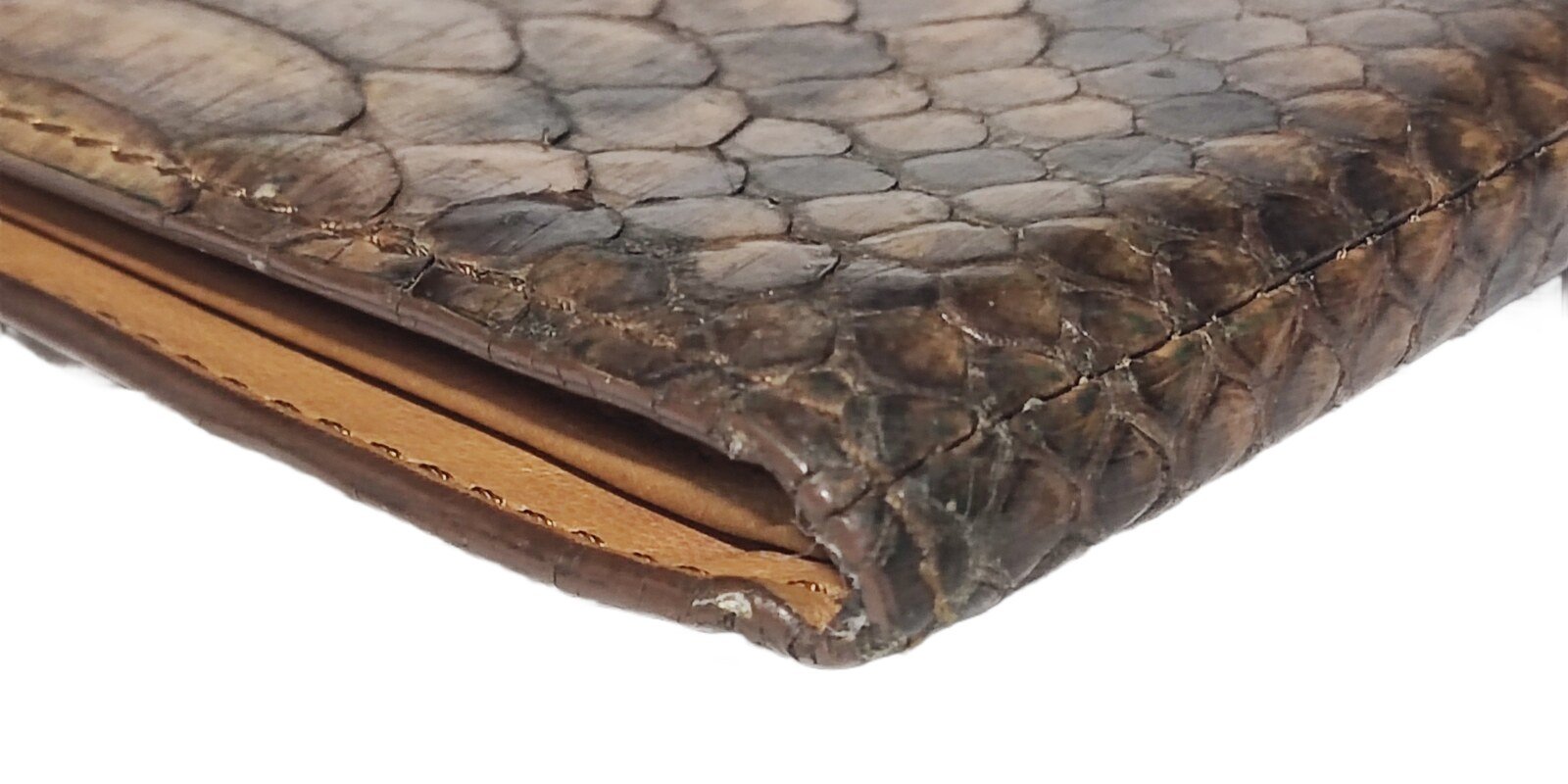
Excess moisture in the air is absorbed by leather's fibres, and if that moisture isn't allowed to properly dry back out, it creates conditions for mould and mildew — visible as faint white or green bloom, often first appearing in seams, corners, and anywhere air doesn't circulate well. This is especially common on exotic skins such as crocodile and alligator, where the natural scale structure creates more crevices for moisture to sit in.
Metal hardware suffers too: humidity accelerates tarnishing and, in coastal or salt-air environments, can pit gold-plated or palladium hardware over time. Ironically, leaving leather in a closed, air-conditioned room for long stretches dries it out and causes cracking at fold lines — the goal isn't just reducing moisture, it's keeping conditions stable within a moderate range.
A five-minute inspection catches early mould or hardware tarnish long before it becomes a restoration job.
Our Care SpecialistsThe Right Storage Environment
The generally accepted safe range for leather storage is roughly 45–55% relative humidity, with stable temperature and no direct sunlight, which fades colour and dries leather unevenly over time. A dedicated closet with occasional airflow is preferable to trapping stagnant air around stored pieces.
Silica gel packets are the simplest practical tool: placed inside a bag or shoe and refreshed periodically, they absorb ambient moisture without any risk to the leather. Breathable cotton dust bags are strongly preferable to plastic or non-breathable synthetic bags, which trap whatever moisture is already present against the leather.
Preparing a piece for storage
Clean before storing
Wipe down the exterior with a dry, soft cloth to remove any surface dust or residue before the piece goes into storage.
Stuff to hold shape
Fill the body with acid-free tissue paper, not newspaper. Unfilled leather can develop permanent creasing over months of storage.
Bag it breathably
Place the piece in its cotton dust bag with a silica gel packet, and avoid stacking heavy items on top.
Store off the floor, out of light
Shelving is preferable to floor storage, and no storage spot should receive direct sunlight at any point in the day.
Frequently asked questions
Boxes are fine for short-term storage but shouldn't be the only barrier long-term in humid climates — pair the box with a breathable dust bag and silica gel inside it.
Every 3–4 weeks is reasonable during monsoon season — enough to catch early mould or hardware tarnish before it sets in.
Yes, a small dehumidifier in the storage closet is a good addition, particularly in coastal cities.
Stop storing it in the same location and have it professionally assessed — handle it with someone experienced in the specific leather type rather than home cleaners.
The same principles apply to all leather, though exotic skins with more surface texture are generally more susceptible to moisture retention.