 Contact Client Services via Whatsapp


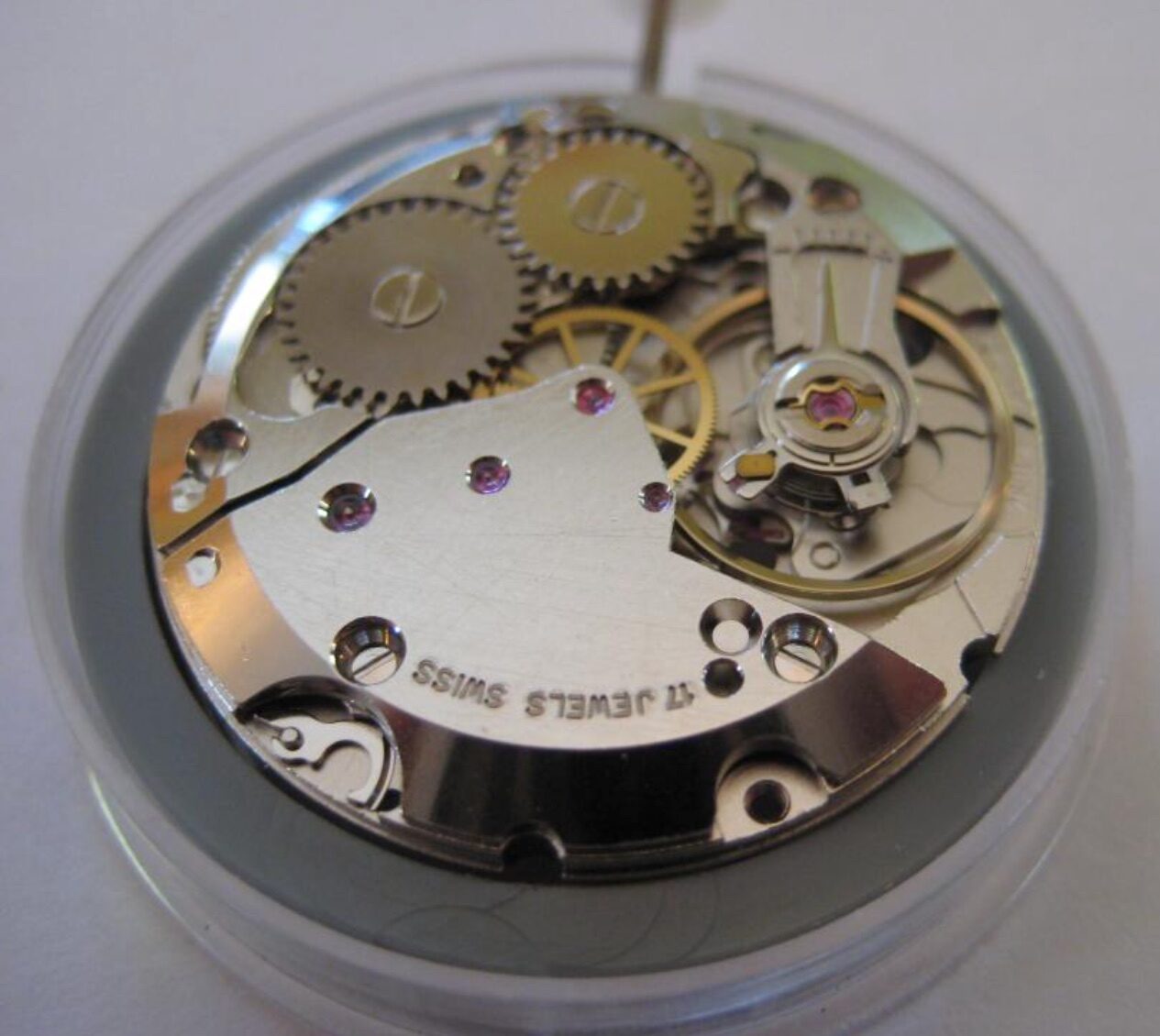
Why a Mechanical Watch Needs Servicing
A mechanical watch is a small engine that never fully stops moving while worn — dozens of tiny components in constant contact, running on lubricants that gradually degrade over years of continuous operation. Unlike a quartz watch, there's no battery to simply replace; the entire mechanism benefits from periodic disassembly, cleaning and re-lubrication to keep running accurately and to prevent long-term wear.
Skipping service indefinitely doesn't usually stop a watch abruptly — more often it shows up gradually as declining accuracy, until eventually dried-out lubrication allows metal-on-metal wear that becomes a considerably more expensive repair than routine servicing would have been.
What a Full Service Actually Involves
A proper full service is a genuinely involved process: the movement is completely disassembled down to its individual components, each part is ultrasonically cleaned, and the entire movement is reassembled with fresh lubrication applied in carefully measured amounts at each specific contact point. The watchmaker then regulates the movement for accuracy and checks it against its rated performance over several days.
For water-resistant watches, gaskets are typically replaced as part of the service (they degrade with age regardless of use), and the case is pressure-tested afterward to confirm water resistance hasn't been compromised by the work.
Skipping service rarely stops a watch outright — it shows up first as a small, growing loss of accuracy.
Our Care SpecialistsIntake & inspection
The watch is examined and its current running accuracy is measured before any work begins, to establish a baseline.
Full disassembly
The movement is taken apart down to its individual components for cleaning.
Cleaning & inspection
Each component is ultrasonically cleaned and inspected for wear, with any worn parts identified for replacement.
Reassembly & lubrication
The movement is rebuilt with fresh, precisely applied lubrication at each contact point.
Regulation & testing
The watch is regulated for accuracy and, where applicable, pressure-tested for water resistance.
How Often, Really
Most major manufacturers suggest a full service roughly every five years as a general guideline, though the right interval genuinely depends on how the watch is worn, stored and how it's performing. A watch worn daily in a humid climate may benefit from more frequent attention than one worn occasionally and stored carefully.
The more useful signal than a fixed calendar date is the watch's own running accuracy: a mechanical watch that's noticeably gaining or losing more time than it used to is telling you something, regardless of exactly how many years have passed since its last service.
Signs a Watch Needs Attention Sooner
A sudden, noticeable change in timekeeping accuracy is the clearest signal. A power reserve that depletes faster than it used to, unusual sounds from the movement, or moisture visible under the crystal all warrant prompt attention rather than waiting for a scheduled interval.
If a watch has been dropped or exposed to a hard knock, having the movement checked afterward is worthwhile even if it still appears to be running normally — internal misalignment isn't always immediately obvious from the outside.
Frequently asked questions
No — quartz watches mainly need periodic battery replacement and gasket checks, not the full mechanical disassembly a mechanical movement requires.
Documented professional service history is generally viewed favorably by buyers, since it demonstrates the watch has been properly maintained.
Yes, within a small margin — mechanical watches aren't expected to be perfectly precise. A large or worsening deviation is what warrants attention.
We'd strongly advise against it without training — incorrect reassembly can damage the movement or compromise water resistance.
Lubricants degrade with age regardless of use, so even a watch that's mostly stored still benefits from periodic servicing, generally at a longer interval than one worn daily.