 Contact Client Services via Whatsapp


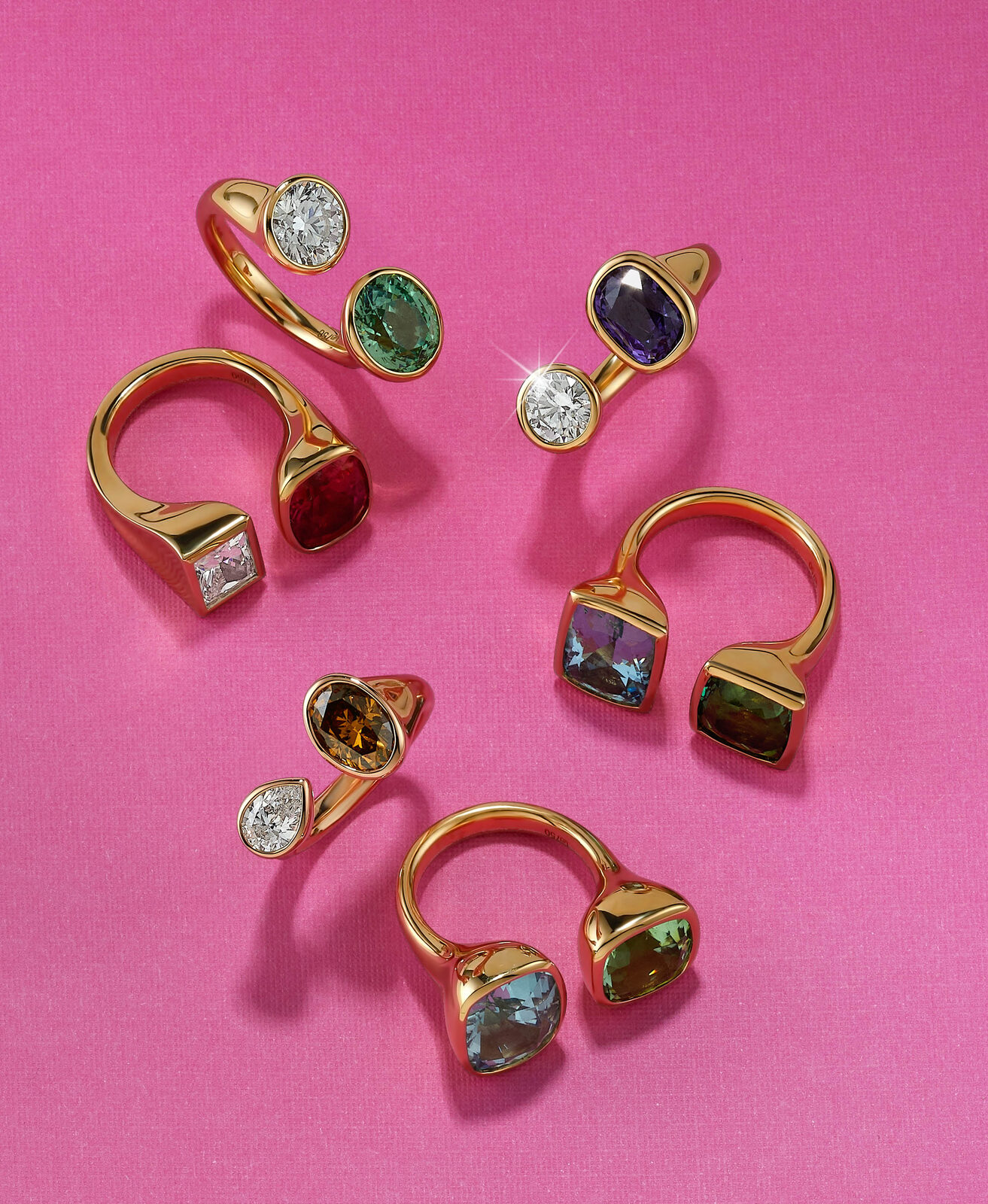
Why There's No Single Cleaning Rule
Generic "how to clean jewelry" advice tends to assume every piece is the same combination of hard metal and hard stone, which leads to genuinely damaging advice for a meaningful share of fine jewelry. A method that's perfectly safe for a plain gold band can seriously and permanently damage a porous or treated gemstone.
The starting question should always be: what metal, and what stone, and how was that stone treated (many gemstones are routinely enhanced through heat treatment, oiling, or fracture filling) — the cleaning method should follow from those answers, not the other way around.
What's Generally Safe at Home
For untreated hard stones set in gold or platinum — diamonds being the classic example — warm water, a few drops of mild dish soap, and a soft-bristled brush (a clean, soft toothbrush works well) is generally safe and effective. Gently brush around the setting where dirt and oils accumulate, rinse thoroughly, and dry with a soft, lint-free cloth.
Avoid paper towels or tissue for drying, since they can leave fine scratches on soft precious metals like gold and platinum with repeated use over time.
The right cleaning method depends on the stone and how it was treated — there is no one universal rule.
Our Care SpecialistsStones That Need Extra Care
Pearls and opals are porous and moisture-sensitive; they should be wiped with a barely damp soft cloth only, never soaked, and never exposed to ultrasonic cleaners, which can crack or cloud them. Emeralds are frequently treated with oil to fill natural surface fractures and improve clarity — ultrasonic cleaning or harsh detergents can strip that oil treatment, visibly changing the stone's appearance.
Ultrasonic and steam cleaning machines, common in jewelry stores, are genuinely useful tools but are not universally safe — they should only be used on stones confirmed to tolerate them, which is a judgment best left to a professional who can identify the stone and its treatment first.
- Warm water with mild dish soap
- Soft-bristled brush around settings
- Soft, lint-free cloth for drying
- Professional ultrasonic cleaning (stone-appropriate)
- Ultrasonic cleaners on porous or treated stones
- Household chemical cleaners or bleach
- Soaking pearls or opals
- Abrasive cloths or paper towels
Storing Pieces So They Don't Damage Each Other
Diamonds are hard enough to scratch nearly every other gemstone and soft metal, including other diamonds, so storing pieces loosely together in one box or pouch risks fine scratching over time, even from ordinary handling and shifting. Individual soft pouches or a lined jewelry box with separate compartments is worth the modest extra effort.
Chains in particular benefit from being stored flat or hung rather than left loose in a pile, both to avoid tangling and to reduce the fine surface wear that comes from links rubbing against each other repeatedly.
Periodic Prong and Setting Checks
Prongs securing a stone gradually wear thin from years of everyday contact, and a loose prong is how stones are most commonly lost — often without the wearer noticing until the stone is already gone. A periodic check by a jeweler, even without a full cleaning, catches this early enough to re-tip or tighten a prong before it becomes a loss.
This is worth doing roughly annually for pieces worn regularly, more like every few years for pieces worn occasionally.
Frequently asked questions
Chlorine can damage some metal alloys and stone treatments over time, so it's generally better to remove jewelry before swimming in chlorinated water.
A gemologist or jeweler can identify most common treatments on inspection; when in doubt, treat any coloured stone cautiously until confirmed.
These are generally formulated for hard, untreated stones and plain metal — check the stone type first before using any commercial cleaning product.
Roughly every few years for pieces worn regularly, since the silk cord they're typically strung on stretches and weakens with wear.
No — tarnish is a surface reaction, not damage, and can typically be gently polished away with an appropriate silver cloth.