 Contact Client Services via Whatsapp


A Harness Workshop, Not a Fashion House
Hermès was founded in Paris in 1837 by Thierry Hermès as a harness and saddlery workshop, serving European carriage trade at a time when fine harness-making was a genuinely demanding, specialized craft. Leather goods, and eventually fashion more broadly, came later — the house's identity as a luxury brand grew outward from equestrian equipment, not the other way around.
This origin isn't just historical trivia; it directly explains construction choices still used today, including the specific hand-stitching technique the house is most closely associated with.
What the Saddle Stitch Actually Is
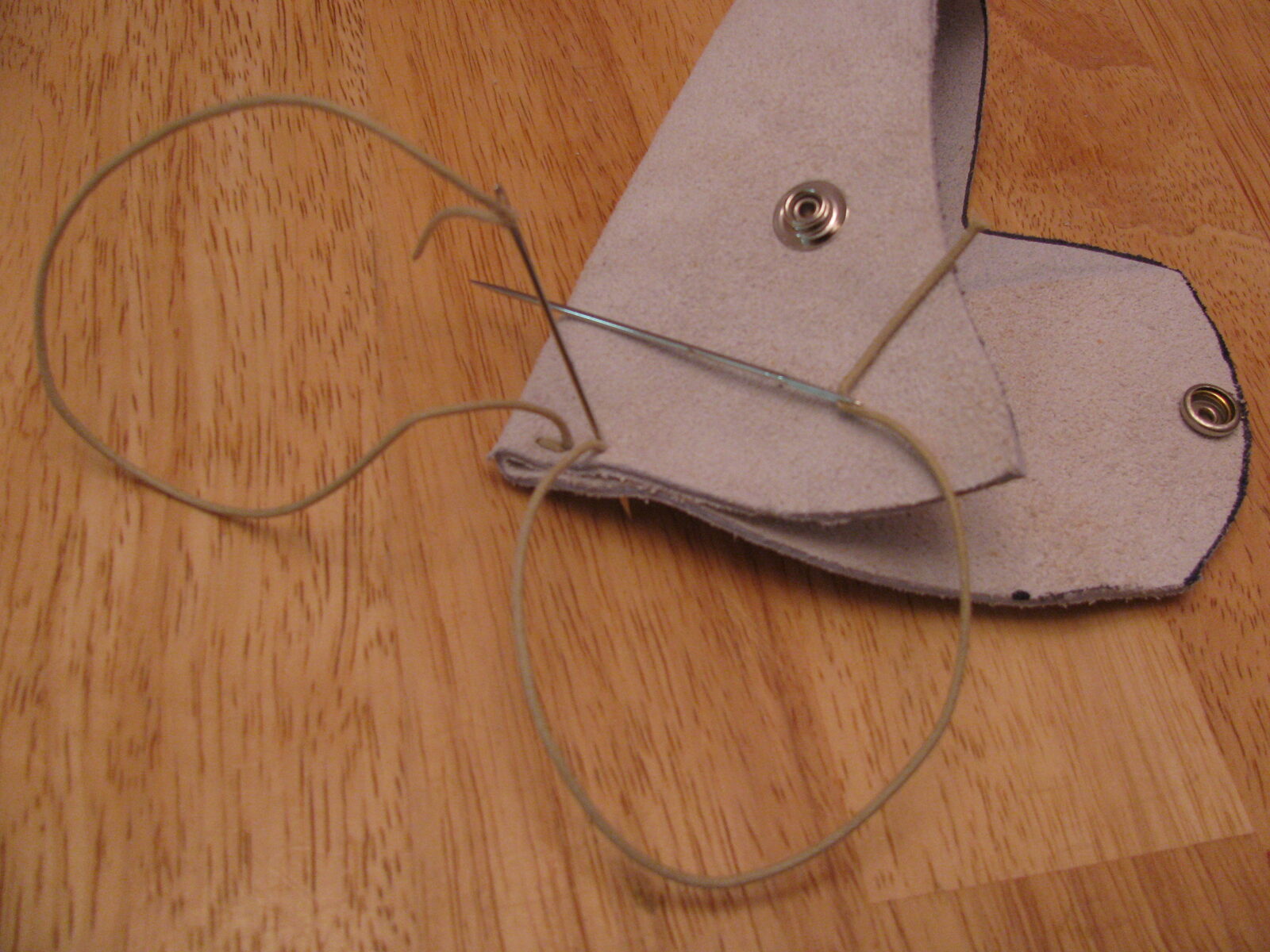
The saddle stitch is a hand-sewing technique using two needles and a single length of waxed thread, worked from opposite sides of the material simultaneously through the same holes, with each stitch pulled taut independently before moving to the next. This is structurally different from a standard machine lockstitch, which runs a single continuous thread through the whole seam.
The practical consequence of stitching each pass independently by hand is durability: if a single stitch in a saddle-stitched seam is somehow cut or damaged, the seam doesn't unravel the way a machine-stitched seam can when one point of thread fails. It's a slower, more labour-intensive method chosen specifically for that resilience.
Each saddle stitch is pulled tight independently. Damage one, and the rest of the seam holds — that's the entire point of the technique.
Our Heritage DeskWhy It Still Matters on a Handbag
A saddle intended for equestrian use has to survive genuine mechanical stress for years without seam failure, which is exactly the standard the technique was developed to meet. Applying the same stitch to a handbag handle or strap — a component under real, repeated tension every time the bag is carried — extends that same durability logic into a completely different product category.
On close inspection, hand-saddle-stitched seams have a subtly distinct look from machine stitching: slightly less perfectly uniform spacing than a machine achieves, small individual thread crossings visible at an angle if you look closely, and thread that sits slightly proud of the surface rather than perfectly flush.
The Artisan's Stamp
Hermès leather goods are historically made by a single artisan working a piece largely from start to finish, rather than passing through an assembly line of specialists each handling one step. That artisan's individual stamp is discreetly marked on the finished piece, tying it to the specific craftsperson who made it — originally, this was as much about accountability and quality tracing as it was about provenance.
This single-craftsperson model is genuinely unusual at scale in the leather goods industry, where most production splits construction across multiple specialized workers. It's a meaningful part of why Hermès leather goods carry the reputation and price point they do.
From Saddles to the Sac à Dépêches
The house's move into leather goods proper accelerated through the early-to-mid 20th century, culminating in the structured "Sac à dépêches" of the 1930s that would eventually become known as the Kelly. The equestrian vocabulary never fully left: "Sellier," one of two Kelly construction styles, literally means "saddler" in French, a direct linguistic callback to the house's original trade.
That continuity — a saddle-making technique and vocabulary still shaping handbag construction and naming nearly two centuries later — is a rare thing for a luxury house of this scale to have preserved this literally.
Frequently asked questions
Saddle stitching is used at key structural points, particularly handles and edges under stress; not every seam on every piece is necessarily hand-stitched, this varies by design.
With close inspection, yes to a reasonable degree — look for slightly uneven spacing and visible individual thread crossings rather than machine-perfect uniformity. Full confirmation is more reliable in person with an expert.
The stamp is typically a discreet mark or symbol tied to that individual craftsperson's work, used for internal traceability rather than public identification.
No — it's a traditional leathercraft technique used across fine leatherwork generally. Hermès is simply closely associated with it due to its saddlery origins and continued use of the technique at scale.
It's French for "saddler," a direct reference to the house's founding trade, applied to the Kelly's more structured, externally-stitched construction style.