 Contact Client Services via Whatsapp


Reading the Hallmark
Most fine jewelry carries a small stamped hallmark, usually on the inside of a ring band or on a clasp, indicating metal purity — common marks include 750 (18k gold), 585 (14k gold), 950 (platinum), or 925 (sterling silver). A missing hallmark isn't automatically disqualifying on older or handmade pieces, but its presence and legibility is a useful, fast first check.
Many houses also stamp a maker's mark alongside the purity mark. Where a specific maker is claimed, that stamp is worth comparing against known reference examples of that maker's hallmark from the relevant era, since marks have changed over time.
Certification for Diamonds and Coloured Stones
For diamonds above a modest size, an independent grading report from a recognized gemological laboratory is worth asking for — it documents the stone's carat weight, cut, colour and clarity grade, and critically, it's tied to that specific stone rather than the piece of jewelry as a whole, since stones can be swapped.
Coloured stones (sapphire, ruby, emerald) benefit from a report noting treatment status, since treatments meaningfully affect value and a stone's treatment isn't always visible to the naked eye. The absence of a certificate doesn't mean a stone is misrepresented, but it does mean you're relying more heavily on the seller's word.
A grading report is tied to the specific stone, not the piece as a whole — that distinction matters more than buyers often realize.
Our Authentication TeamSetting and Prong Condition
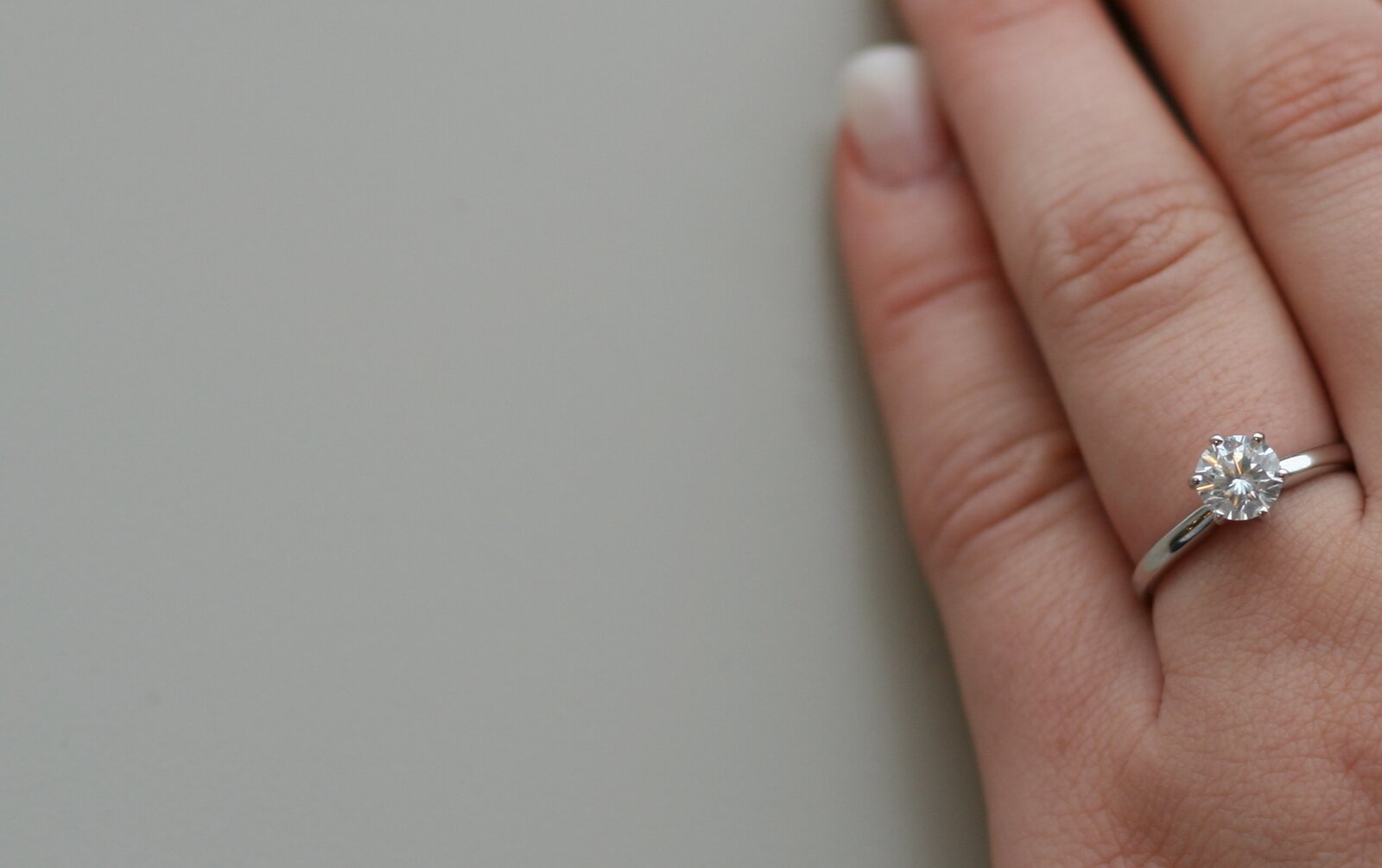
Examine the prongs holding any center stone closely — thin, worn, or bent prongs are both a condition issue and a practical risk of losing the stone if the piece is worn before being repaired. This is a common, often overlooked cost buyers forget to factor into their offer.
For pieces with pavé or channel-set smaller stones, run a finger gently across the setting to feel for any stones sitting slightly loose or proud of the surface — a visual check alone can miss this.
Resizing History
A ring that's been resized will often show a faint seam or slightly different metal colour where the band was cut and rejoined, visible on close inspection of the underside. This isn't a defect — resizing is routine — but repeated resizing can thin a band over time, and it's worth knowing before you buy, particularly for antique or vintage pieces where the band pattern may not perfectly continue through a resized section.
For eternity bands or pieces with stones set continuously around the band, resizing is considerably more complex and sometimes requires removing and resetting stones near the seam — worth confirming this hasn't affected stone security if a resize is visible.
Frequently asked questions
Not always — some antique, handmade or regional pieces were never hallmarked. It's one data point to weigh alongside others, not a standalone verdict.
For higher-value pieces, yes — an independent appraisal or grading report gives you information the seller's description alone can't.
Generally yes — re-tipping or rebuilding prongs is routine jewelry repair work, though it should be done before the stone is worn loose enough to risk falling out.
Not typically for modern pieces. For fine antique pieces, an unaltered original band can carry a premium among certain collectors.
This generally requires a gemologist's inspection or lab report — treatment often isn't visible to the naked eye.