 Contact Client Services via Whatsapp


Understanding Coated Canvas
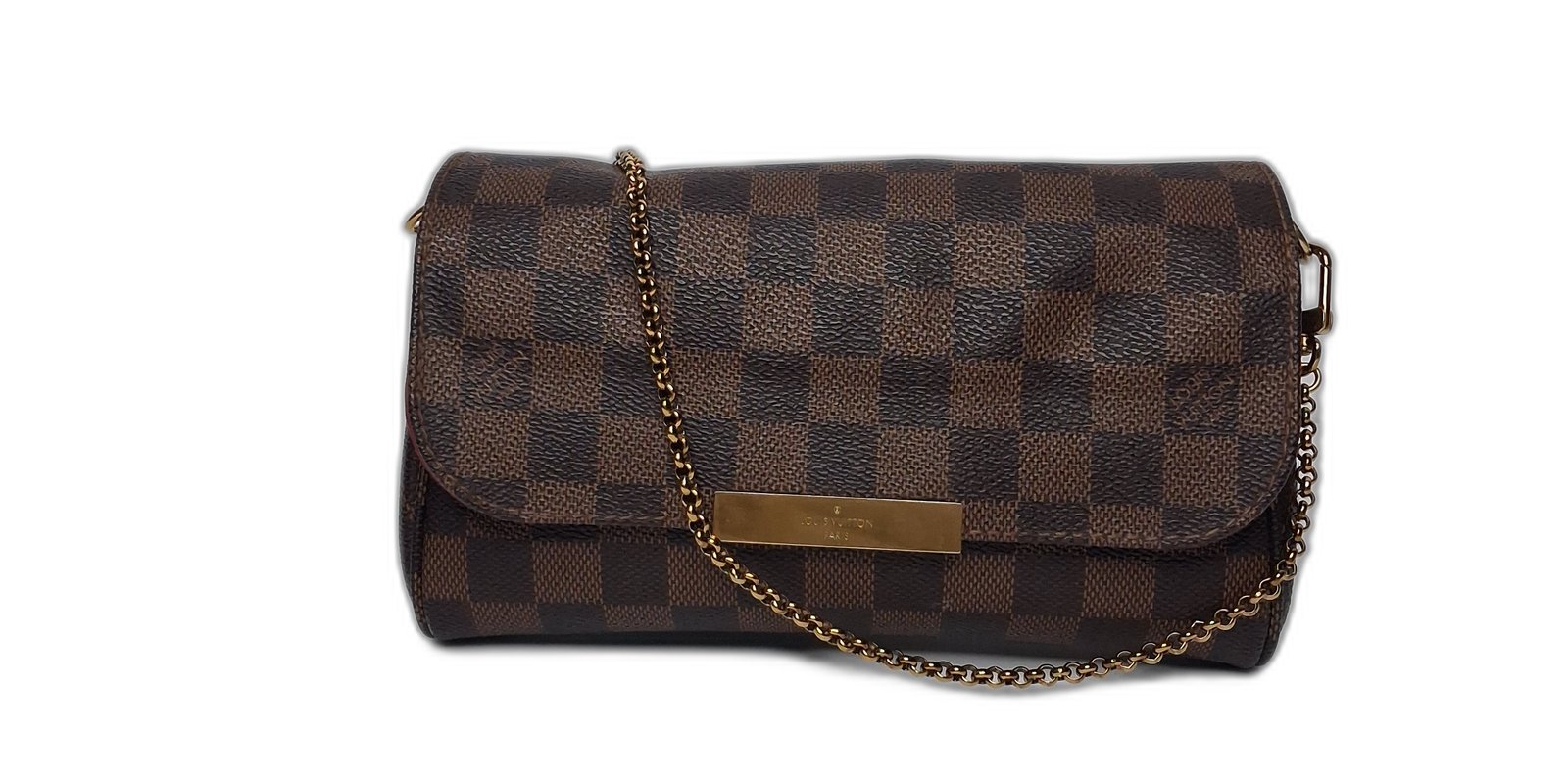
Most Louis Vuitton monogram and damier pieces aren't leather at all on their main body — they're a cotton canvas base coated with a durable, water-resistant finish, which is why they hold up so well to everyday use and why they clean differently than leather does. This coating is genuinely tough, but it can crack or peel at stress points (corners, handle attachment points) after many years of hard use.
A common buyer mistake is treating monogram canvas like leather when cleaning it — leather conditioners and oils aren't designed for a coated textile surface and can leave a residue rather than actually helping it.
Reading a Date Code
Since the mid-1980s, most Louis Vuitton pieces carry a stamped date code, typically two letters followed by four numbers, found on an interior tab or stamped directly into the lining. The two letters indicate the factory where the piece was made; the four numbers, read as two pairs, indicate the week and year of production, though the exact ordering convention has changed more than once across the decades.
A date code confirms where and roughly when a piece was made — it's a useful consistency check against a seller's claimed age, but it isn't a serial number unique to one bag, so it's a supporting detail rather than a complete authentication method on its own. Pieces made before the mid-1980s typically have no date code at all, which is expected on genuinely vintage pieces, not a red flag.
A date code tells you where and roughly when a bag was made. It isn't a unique serial number, and shouldn't be treated as one.
Our Authentication TeamPattern Alignment at the Seams
Genuine construction takes real care to align the monogram or damier pattern across seams, so the pattern reads continuously rather than jarring or shifting where panels meet. This is a labour-intensive standard to maintain and one of the more reliable visual tells — look closely at where the front panel meets the side gusset and where the base seam sits.
It won't be perfectly seamless everywhere on every genuine bag, since some seams are structurally necessary, but noticeably careless or randomly rotated pattern placement across most seams is a meaningful warning sign.
Vachetta Leather Trim and Patina
The untreated natural leather trim used for handles and piping on many monogram pieces — called vachetta — is deliberately left undyed, and darkens naturally with light exposure and handling over time, developing a honey-brown patina that many collectors specifically value. A monogram bag with pale, untouched vachetta and one with deep amber patina can be the same age with very different wear histories.
Vachetta stains easily and permanently from water, oils, and coloured dyes (denim is a common culprit), so uneven staining or dark water spots on the trim are worth factoring into condition assessment, since they generally can't be reversed.
Frequently asked questions
No — genuinely vintage pieces made before the mid-1980s typically have no date code at all. Context matters more than its simple presence or absence.
Neither inherently — it's a natural, expected aging process many buyers specifically seek out. Uneven staining is a separate condition issue worth noting.
Some surface cleaning is possible, but deep staining is generally permanent and professional attempts to lighten patina evenly are difficult to achieve.
It's a useful consistency check but not conclusive by itself — it should be combined with construction, canvas and hardware inspection.
Minor misalignment at structurally necessary seams can be normal. Widespread, careless misalignment across most seams is the more meaningful concern.