 Contact Client Services via Whatsapp


Two different numbers
Every Rolex carries a reference number, which identifies the model — what the watch is — and a serial number, which identifies that individual case. The warranty card or papers should show both, and both should match the watch.
Where they are engraved
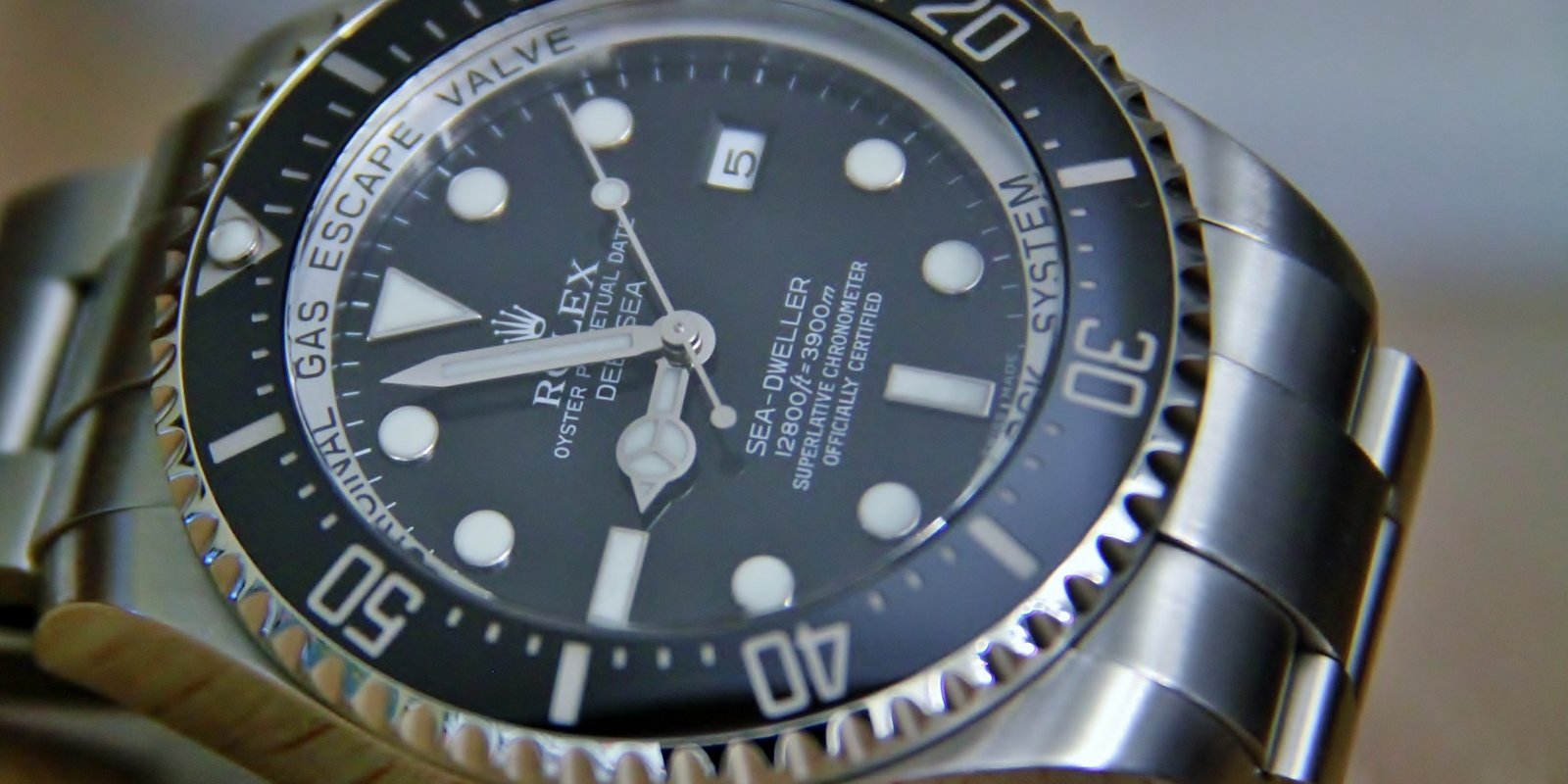
Until the mid-2000s both numbers were engraved between the lugs, hidden by the bracelet: the reference at 12 o’clock and the serial at 6 o’clock. From around 2005 Rolex also engraved the serial on the rehaut — the inner ring between dial and crystal — and for a few years many watches carried it in both places. By around 2008–2010 the rehaut became the standard location.
Genuine engravings are fine, sharp and evenly deep. Shallow, grainy or uneven numbers are one of the most common tells on counterfeits.
| Example | Model | How to read it |
|---|---|---|
| 116610LN | Submariner Date | 11661 = the model; 0 = stainless steel; LN = lunette noire, black bezel |
| 126710BLRO | GMT-Master II | 12671 = the model; 0 = stainless steel; BLRO = bleu/rouge, the blue-and-red “Pepsi” bezel |
| 116500LN | Cosmograph Daytona | 11650 = the model; 0 = stainless steel; LN = black bezel |
| 116234 | Datejust | 11623 = the model; 4 = steel with an 18k white gold bezel (white Rolesor) |
| Last digit (modern references) | Material |
|---|---|
| 0 | Stainless steel (Oystersteel) |
| 1 | Steel and Everose gold (Everose Rolesor) |
| 3 | Steel and yellow gold (yellow Rolesor) |
| 4 | Steel and white gold (white Rolesor) |
| 5 | 18k Everose gold |
| 6 | Platinum |
| 8 | 18k yellow gold |
| 9 | 18k white gold |
Dating a watch from its serial
Before 1987 serials were purely numeric and rose over time. From 1987 Rolex added a letter prefix that points to an approximate production year. Rolex has never published official tables — the ranges below are compiled by collectors and dealers, and different charts can disagree by a year.
| Serial prefix | Approximate year |
|---|---|
| R | 1987 |
| L | 1988 – 1989 |
| E | 1990 |
| X | 1991 |
| N | 1991 |
| C | 1992 |
| S | 1993 |
| W | 1994 – 1995 |
| T | 1996 |
| U | 1997 – 1998 |
| A | 1999 |
| P | 2000 |
| K | 2001 |
| Y | 2002 |
| F | 2003 – 2004 |
| D | 2005 |
| Z | 2006 |
| M | 2007 – 2008 |
| V | 2008 – 2009 |
| G | 2010 |
Random serials (around 2010 onward)
Around 2010 Rolex switched to randomised eight-character serials that carry no date information. For these watches the date on the warranty card is the only reliable guide to age.
Remember what a serial dates: the case, not the sale. A watch can sit with a dealer for months before it is first sold.
A serial tells you roughly when the case was made — not when the watch was sold, and never whether it is genuine.
The Fallen Archive Authentication TeamDecode a reference or serial
Type the reference or the serial from your watch. The reference shows the model, movement and case metal; the serial, where it can be dated, the approximate year.
- Serial and reference on the papers match the watch
- The reference matches the dial, bezel and metal you can see
- The serial era is plausible for the reference
- Engravings are fine, sharp and evenly deep
- A serial era older than the reference itself
- A reference in a metal the model was never made in
- Different numbers on papers, case and rehaut
- Shallow, grainy or acid-etched-looking engravings
Frequently asked questions
Rolex does not offer a public lookup. An authorised service centre can examine a watch, and stolen-watch registers can be checked by dealers.
No. Papers and boxes are traded and copied separately. They support a watch that is genuine; they do not make one genuine.
The clasp carries its own small date code, which is a separate system from the case serial and only dates the bracelet.