 Contact Client Services via Whatsapp


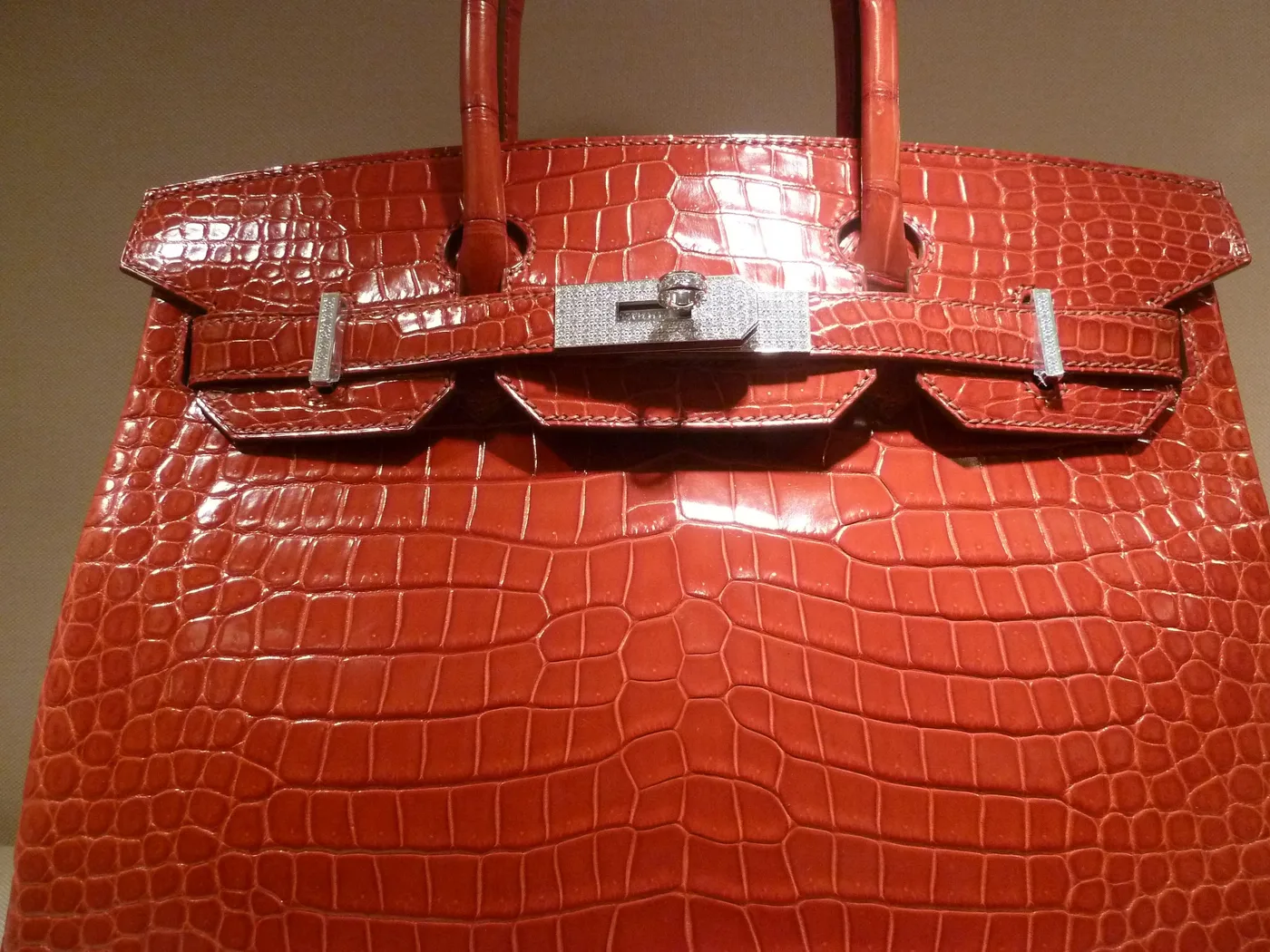
Why the Birkin needs a careful eye
The Birkin is one of the most copied handbags in the world. The best imitations now get the shape, the colour and even the stamps broadly right, so no single detail settles the question. What a genuine Birkin offers instead is agreement: the stamps, stitching, hardware, leather and construction all tell the same story about one bag, made by one artisan, in one year.
This guide walks through those details in the order we check them. It will help you look at a bag with more confidence and understand what “authenticated in-house” means when you buy or consign through Fallen Luxury. It is not a substitute for an in-hand inspection by a specialist.
Authentication isn’t a single check. It’s a conversation between many small details, all of which must agree.
The Fallen Archive Authentication TeamKnow the bag first
Hermès introduced the Birkin in 1984. Its size is its width in centimetres, and every detail below should be judged against the size and leather the bag claims to be.
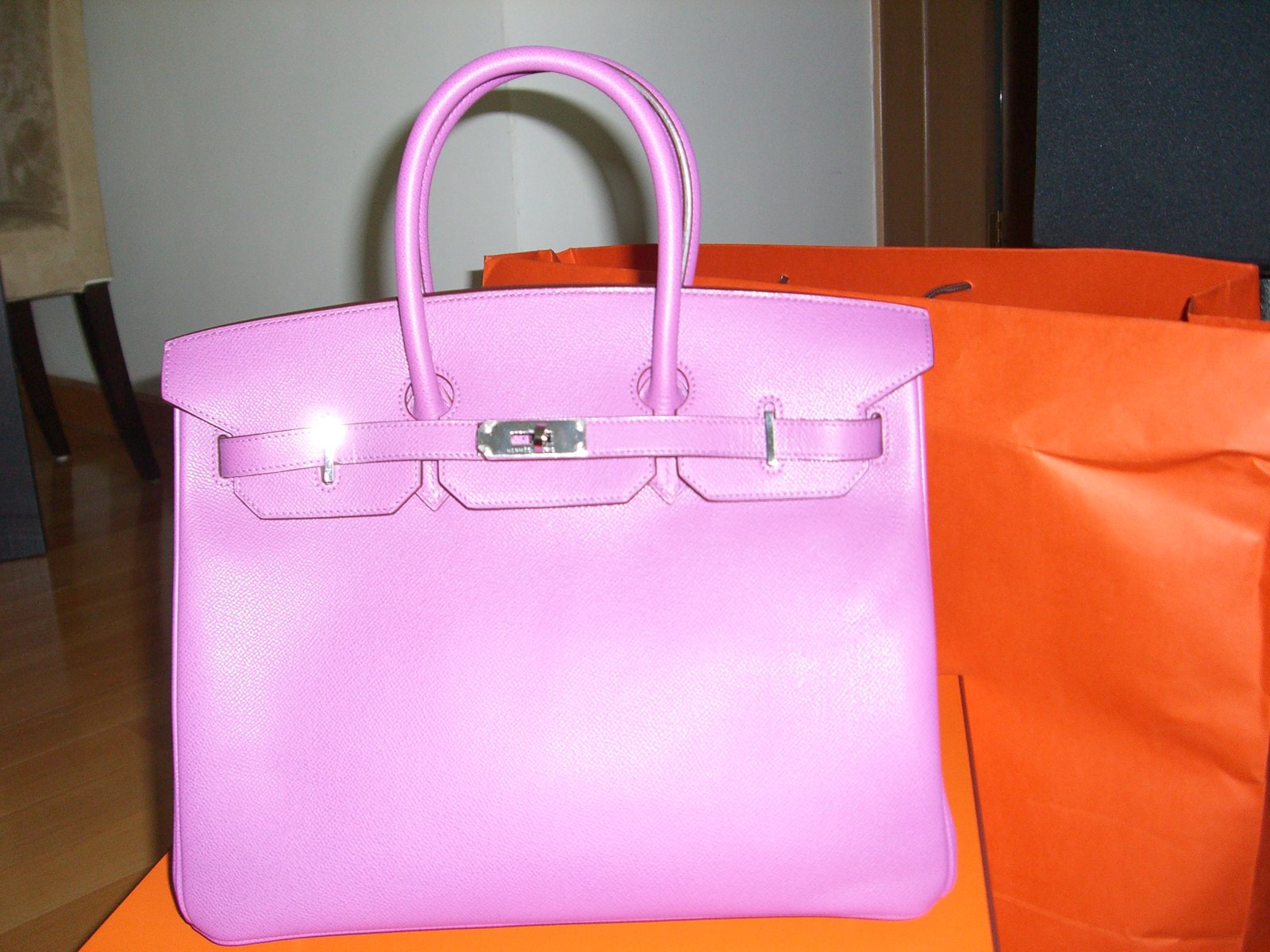
| Part | What it is | What to look for |
|---|---|---|
| Sizes | 25, 30, 35 and 40 cm are the core sizes | Proportions that match the stated size; handles that stand evenly |
| Flap and straps | A front flap held by two straps that close over the turn-lock | Straps that sit flat and meet the turn-lock squarely |
| Padlock and keys | A padlock with two keys kept in a leather clochette | A number under the padlock that matches the keys |
| Base | Four metal feet protect the bottom of the bag | Feet set evenly, finished like the other hardware |
| Construction | Most Birkins are sewn inside out and turned (retourné); a Sellier version has visible outer seams and sharper edges | A shape consistent with the construction the bag claims |
The stamps: heat stamp and blind stamp
A Birkin carries two kinds of mark. The heat stamp on the front, under the flap, reads “HERMÈS PARIS MADE IN FRANCE”. Its foil usually matches the hardware: gold with gold hardware, silver with palladium. Some leathers are stamped without foil. A genuine stamp is crisp, evenly spaced and centred, with the accent on the È; thick, blurred, crooked or oversized lettering is a warning sign.
The blind stamp is pressed without ink, on modern bags usually on the inside of a front strap. It holds a year letter, sometimes inside a square or circle, alongside characters for the workshop and artisan. Our blind stamp decoder turns the letter and frame into a year; that year must suit the bag’s leather, colour and hardware.
Saddle stitching and edges
Hermès sews its bags by hand with the saddle stitch: two needles working one waxed linen thread from both sides. The result is a row of stitches that lean at a slight, consistent angle and sit tightly in the leather. Look at the handles, the gussets and where the straps join the body. Hand stitching is never mechanically perfect, but it is even in tension and angle; loose, wandering or perfectly straight machine-like rows deserve a closer look.
Edges are sanded, dyed and burnished by hand. On a genuine bag they are smooth, even and close to the colour of the leather. Thick, rubbery or cracking edge paint on a bag with little wear is a common tell.
Hardware: turn-lock, padlock, keys and clochette
Birkin hardware is plated, most often in gold or palladium. It should feel solid and weighty for its size, with engraving that is crisp and evenly cut. The padlock carries “HERMÈS” on the front and a number on the underside; the two keys carry the same number. Keys live in the clochette, a small leather bell that hangs from the handle and is saddle-stitched like the bag.
Plating does wear with use, so honest wear is expected. What doesn’t fit is plating that bubbles or flakes on a lightly used bag, engraving that looks shallow or rough, or keys whose number doesn’t match the padlock. A missing padlock or keys doesn’t make a bag fake — they are often lost — but it does affect value.
Leather, interior and shape
Hermès leathers each have a recognisable character. Togo has a soft, pebbled grain with visible veining; Epsom is embossed, lighter and holds a crisp shape; Clemence has a larger, flatter pebble and slouches more; Swift is smooth and fine. The leather should match what the bag claims to be, and exotic skins should come with the paperwork their species requires. Our Togo vs Epsom guide goes further.
Inside, the bag is lined in goatskin (chèvre), usually in a matching colour, with neat pockets and a stamped zip pull. The bag should stand evenly, with a flap that sits straight and handles of equal height. A synthetic-feeling lining, glue marks or an uneven, lopsided body are reasons to look harder.
Genuine details and common tells
| Detail | Consistent with genuine | Common tell |
|---|---|---|
| Heat stamp | Crisp, centred, evenly spaced; foil matches hardware | Thick, blurred or crooked letters; foil that clashes with hardware |
| Blind stamp | Pressed, not printed; a year that suits the bag | Ink in the stamp; a frame that era never used |
| Stitching | Even tension, slight consistent slant | Loose or wandering rows, or perfectly straight machine stitching |
| Edges | Smooth, even, hand-burnished | Thick, rubbery or cracking edge paint |
| Hardware | Solid, weighty, crisp engraving | Light, rough engraving, flaking on a lightly used bag |
| Padlock and keys | Matching numbers | Numbers that differ, or none at all |
| Interior | Goatskin lining, neat pockets, stamped zip pull | Synthetic-feeling lining, glue marks, unstamped pulls |
How we authenticate a Birkin
We review your photos against the reference points in this guide and tell you whether the piece is worth sending in.
The bag is examined in hand, under magnification: stamps, stitching, edges, hardware, leather and interior.
Findings are reviewed together before any decision, so no single observation decides the outcome.
An accepted piece is graded, photographed and prepared for listing. If we can’t accept it, we tell you why.
What to photograph for us
Clear photos in daylight let us give you a useful first opinion. Please include:
- The front, back, both sides and the base with its feet
- A close-up of the heat stamp under the flap
- The blind stamp, usually inside a front strap
- The padlock front and the number underneath, the keys and the clochette
- The handles, corners and edges, where wear shows first
- The interior lining, pockets and zip pull
- Any receipt, box, dust bag or paperwork you have
Frequently asked questions
We can give a preliminary opinion from clear photos, but a final decision always needs an in-hand inspection.
No. Counterfeiters copy stamps and receipts can be forged. They support a bag’s history but never replace an inspection of the bag itself.
Not necessarily — padlocks and keys are often lost. It does affect value, and when they are present the numbers should match.
Usually a few working days once the piece is in our studio, though complex cases can take longer.
We contact you directly with our findings and return the piece to you at no additional cost.
Yes — authentication is available as a standalone service, independent of consignment.
In closing
No single detail confirms a Birkin. What we look for is agreement: a heat stamp, blind stamp, stitching, hardware, leather and construction that all describe the same bag. When something doesn’t fit, we look harder before we decide.